Retail build-outs are one of the most critical phases in launching a new store. Unlike remodels, which adapt existing spaces, a retail build-out starts with a shell and transforms it into a fully operational, brand-ready environment.
For multi-location retailers, build-outs are not isolated construction projects. They are repeatable programs that must deliver consistency, predictability, and reliable execution across every market. That is why brands expanding nationwide rely on an experienced national general contractor like Prime Retail Services to manage the process from shell condition to store opening.
This article explains the retail build-out process step by step, identifies common risks, and outlines what retailers should expect when executing build-outs at scale.
What Is a Retail Build-Out?
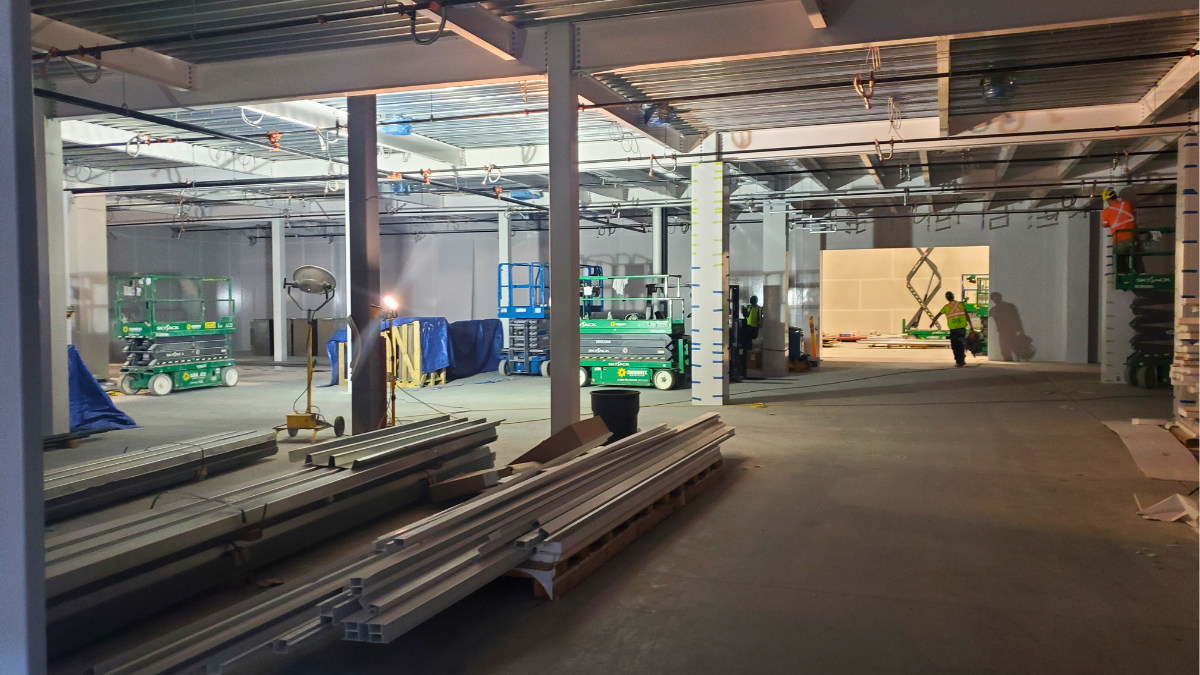
A retail build-out is the full interior construction of a commercial space that begins in shell condition and ends with a fully operational store ready to open to customers.
Shell spaces typically include:
• Structural components
• Exterior walls and roof
• Basic utilities stubbed to the space
• Minimal or unfinished interiors
A build-out completes everything required for store operations, branding, and occupancy approval. This includes interior construction, trade coordination, inspections, and final turnover.
Key Takeaways
• Retail build-outs transform unfinished shell spaces into operational retail stores
• The process includes planning, permitting, construction, inspections, and final turnover
• Standardized execution is essential for multi-location retail programs
• Nationwide contractors provide centralized management across markets
• Early planning helps reduce risks related to utilities, permitting, and scheduling
Why Retail Build-Outs Require Specialized Expertise
Retail build-outs are closely tied to store opening timelines and revenue activation. Delays can affect staffing schedules, merchandising delivery, and marketing campaigns.
For retailers expanding nationwide, complexity increases due to:
• Different landlord requirements
• Varying state and local building codes
• Market-specific permitting timelines
• Coordination with leasing, operations, and merchandising teams
A nationwide general contractor provides the structure needed to manage these variables and execute build-outs consistently across markets.
Phase 1: Pre-Construction Planning and Due Diligence
Successful retail build-outs begin well before construction starts. Early planning helps identify risks and ensures the project begins with clearly defined scope and expectations.
Site Evaluation and Shell Assessment
A nationwide contractor evaluates the shell condition to identify constraints related to:
• Ceiling heights and structural elements
• Utility capacity and routing
• Landlord-provided versus tenant-responsible scope
• Code compliance gaps
Early evaluation helps prevent unexpected issues during construction.
Scope Definition and Prototype Alignment
Retailers often operate from standardized store prototypes. The contractor aligns the prototype with the specific shell conditions to determine:
• Required modifications
• Brand standards compliance
• Location-specific adjustments
This ensures consistency while accounting for site-specific conditions.
Phase 2: Budgeting and Schedule Development
Retail build-outs require detailed cost planning and disciplined scheduling.
A nationwide general contractor establishes:
• Standardized scopes of work
• Market-informed cost estimates
• Realistic construction schedules
• Milestones aligned with store opening goals
Some retailers accelerate delivery using fast-track construction programs, which allow certain project phases to overlap.
For multi-site programs, this phase sets the financial and operational baseline used across all future locations.
Phase 3: Permitting and Landlord Coordination
Permitting and approvals are among the most common sources of delay in retail construction.
A nationwide contractor manages:
• Local permitting submissions
• Plan review coordination
• Landlord approvals and inspections
• Jurisdictional compliance requirements
Centralized oversight ensures permitting timelines remain aligned with store-opening schedules.
Phase 4: Core Construction and Trade Coordination
This phase transforms the shell into a functioning retail environment.
Typical build-out construction includes:
• Framing and drywall installation
• Mechanical, electrical, and plumbing systems
• Fire protection and life safety systems
• Flooring, ceilings, and interior finishes
• Millwork and fixture installation
A nationwide contractor coordinates all trades to maintain schedule alignment, quality standards, and safety requirements across locations.
Phase 5: Utilities, Technology, and Infrastructure Integration
Modern retail stores depend on reliable infrastructure.
Build-outs must integrate:
• Electrical distribution and lighting systems
• Data and low-voltage infrastructure
• Security and access control systems
• POS and network readiness
Coordination with internal IT teams or partners such as Prime-Net ensures systems are operational before opening day.
Phase 6: Inspections, Punch Lists, and Certificate of Occupancy
Before a store can open, construction must pass multiple inspections.
A nationwide contractor manages:
• Building and life safety inspections
• Fire marshal approvals
• Final landlord walkthroughs
• Punch list completion
• Certificate of Occupancy issuance
Careful coordination during this phase helps prevent opening delays.
Key Risks in Retail Build-Outs
Retail build-outs involve several common risks.
These include:
• Permitting delays
• Labor shortages
• Scope gaps between landlord and tenant responsibilities
• Utility coordination challenges
• Schedule compression near store openings
Nationwide contractors reduce these risks through standardized processes, experienced teams, and proactive communication.
Why Nationwide Execution Matters for Retail Expansion
Retailers expanding into new markets require repeatable success, particularly within structured multi-site rollout programs.
A nationwide general contractor provides:
• Consistent execution across all locations
• Predictable budgets and schedules
• Centralized reporting and accountability
• Scalable processes that support expansion
This allows retailers to focus on growth strategy while construction teams manage execution.
Frequently Asked Questions
How long does a typical retail build-out take?
Most retail build-outs range from 8 to 16 weeks, depending on size, complexity, and permitting timelines.
What is the difference between a retail build-out and a remodel?
A build-out starts from a shell condition, while a remodel modifies an existing, operational space as part of nationwide remodel projects.
Can multiple build-outs be managed simultaneously?
Yes. Nationwide general contractors are designed to manage parallel build-outs across multiple markets.
When should a general contractor be engaged?
As early as possible. Early involvement improves budgeting accuracy, scheduling, and risk management.
Final Thoughts
Retail build-outs are foundational to successful store openings. From shell condition to grand opening, every phase must be carefully coordinated to protect timelines, budgets, and brand standards.
A nationwide general contractor like Prime Retail Services brings the experience, structure, and scalability required to execute retail build-outs across multiple markets with confidence.
If you are planning new store openings, market expansions, or multi-site build-out programs and want a partner who understands how to deliver from shell to store opening, reach out to info@primeretailservices.com to start the conversation.