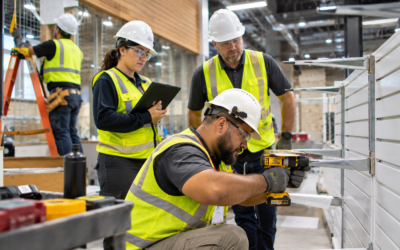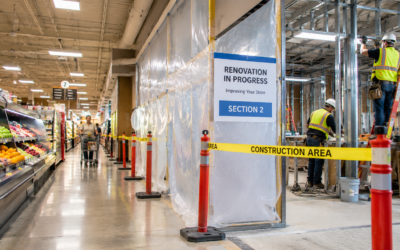

Commercial construction projects often operate under demanding schedules. Retail renovations, store build-outs, special project rollouts, and multi-location programs may have fixed completion dates that leave little room for delays.
These deadlines can create pressure across every part of the construction process. Project managers must coordinate subcontractors, secure materials, manage site conditions, and keep construction activities moving while ensuring that completed work meets the required standards.
The challenge is particularly significant when several trades are working within a compressed schedule. Rushed installations, incomplete inspections, poor communication, and inadequate supervision can create problems that affect both project quality and long-term performance.
However, maintaining quality under tight timelines does not necessarily require choosing between speed and workmanship.
Effective general contractors establish processes that allow construction teams to work efficiently without sacrificing important quality requirements. They identify risks early, coordinate trade activities, establish clear acceptance criteria, and verify completed work throughout the project.
The objective is not simply to finish faster. It is to complete the work correctly, safely, and in accordance with the approved project requirements.
Why Quality Control Becomes More Challenging Under Tight Timelines
Compressed schedules can affect construction quality when project teams do not have sufficient time to coordinate activities and verify completed work.
Several conditions can contribute to this challenge.
-
Overlapping construction activities: Multiple trades may need to work in the same area, increasing the potential for conflicts and installation errors.
-
Limited inspection windows: Required inspections and quality checks may be overlooked when teams focus primarily on meeting milestones.
-
Material substitutions: Delays or shortages may create pressure to use alternative materials without adequate review or approval.
-
Incomplete coordination: Changes made by one contractor may affect the work of another trade.
-
Reduced preparation time: Crews may arrive before site conditions, drawings, or materials are fully ready.
-
Insufficient supervision: Field personnel may struggle to monitor several simultaneous activities.
-
Premature project turnover: Work may be considered complete before deficiencies and required testing are properly addressed.
These problems can result in rework, additional costs, failed inspections, damaged installations, and delayed turnover.
The solution begins with treating quality as part of the construction plan rather than as a final checkpoint.
1. Establish Quality Requirements Before Construction Begins
Quality control should start during preconstruction.
Before work begins, the general contractor should understand the project’s specifications, drawings, material requirements, installation standards, and acceptance criteria.
This helps ensure that every contractor understands what constitutes acceptable work.
Important items to review include:
-
Approved construction drawings
-
Project specifications
-
Material and equipment requirements
-
Manufacturer installation instructions
-
Applicable codes and standards
-
Required inspections
-
Testing and commissioning requirements
-
Finish and workmanship expectations
-
Client-specific requirements
-
Project closeout documentation
These requirements should be communicated to the subcontractors responsible for executing each scope.
For example, flooring installers should understand the specified materials, preparation requirements, installation methods, and acceptable finish conditions before beginning work.
The same principle applies to electrical installations, millwork, fixtures, painting, and other construction activities.
Clear expectations reduce the likelihood of misunderstandings that could lead to corrective work later.
2. Identify Quality Risks During Preconstruction
Not all construction activities carry the same level of quality risk.
Some installations involve complex connections, concealed work, specialized materials, or multiple trades working within limited spaces.
These activities deserve additional planning and verification.
The project team should identify potential quality risks before mobilization.
Examples include:
Concealed installations: Electrical, plumbing, and other work may become inaccessible after walls or ceilings are closed.
Specialty equipment: Equipment may require precise dimensions, mounting conditions, electrical connections, or manufacturer-specific installation procedures.
Finish work: Flooring, millwork, paint, and other visible finishes can be damaged by subsequent construction activities.
Trade interfaces: Different contractors may be responsible for connected systems or installations that must align.
Existing building conditions: Renovations may involve concealed utilities, uneven surfaces, outdated infrastructure, or other conditions that affect installation quality.
A risk-based inspection plan helps project managers determine where additional oversight is necessary.
This allows available supervision and inspection resources to be directed toward the activities with the greatest potential impact.
Related article: Handling High-Complexity Retail Construction Scopes.
3. Build Quality Checkpoints Into the Construction Schedule
Quality inspections should be included in the project schedule from the beginning.
When inspections are treated as activities that happen only after construction is finished, they can become difficult to accommodate under tight deadlines.
Instead, the general contractor should establish checkpoints throughout the construction process.
These may include:
-
Pre-installation verification
-
Material and equipment inspection
-
Rough-in inspections
-
Workmanship checks
-
Required code inspections
-
Installation verification
-
Functional testing
-
Final quality inspections
-
Punch-list verification
For example, electrical work that will be concealed behind drywall should be reviewed and inspected at the appropriate stage before the wall is closed.
Similarly, flooring preparation should be verified before the finished flooring material is installed.
These checkpoints help identify deficiencies while corrective work is still manageable.
They also prevent incomplete or defective work from being covered by subsequent construction activities.
For additional guidance, see Planning for Compressed Construction Schedules.
4. Coordinate Trades to Prevent Installation Conflicts
Trade coordination is essential when several contractors must work within a limited construction window.
Even when each subcontractor performs its individual scope correctly, poor coordination can affect the quality of the overall installation.
For example, an electrical contractor may install a connection based on an outdated fixture layout. A millwork installer may then discover that the connection does not align with the intended equipment location.
Correcting the issue can require additional labor, material adjustments, and schedule changes.
The general contractor should coordinate:
-
Trade-specific scopes and responsibilities
-
Installation sequencing
-
Equipment and fixture dimensions
-
Power and data connection locations
-
Structural support requirements
-
Work area access
-
Inspection milestones
-
Required trade handoffs
A coordinated schedule helps ensure that each contractor has the information and conditions necessary to complete its work correctly.
It also reduces the likelihood of one trade damaging or interfering with another contractor’s completed installation.
Related articles:
5. Use Qualified Contractors and Clearly Defined Responsibilities
A compressed construction schedule leaves little room for repeated corrections or uncertainty about who is responsible for specific work.
The general contractor should assign scopes to qualified contractors who understand the installation requirements and can execute their responsibilities within the planned schedule.
Before mobilization, the project team should verify:
-
Relevant trade experience
-
Applicable licenses and qualifications
-
Required insurance documentation
-
Availability of qualified personnel
-
Understanding of project specifications
-
Equipment and material readiness
-
Assigned supervision
-
Responsibility for testing and closeout
Subcontractors should also understand the quality standards that apply to their assigned work.
Clear accountability makes it easier to identify and resolve deficiencies.
It also reduces confusion when several contractors contribute to a single installation.
For additional context, see What Is Self-Performing Retail Construction?.
6. Maintain Consistent Field Supervision
Field supervision plays a major role in maintaining construction quality under tight timelines.
Project managers may establish schedules and procedures, but field personnel must verify that those requirements are being followed during execution.
Effective supervision involves more than monitoring whether crews are working.
Supervisors should evaluate the quality and readiness of completed work, identify potential conflicts, and address issues before they affect subsequent activities.
Field oversight may include:
-
Monitoring installation progress
-
Verifying approved materials
-
Reviewing workmanship
-
Checking dimensions and alignment
-
Confirming required safety controls
-
Coordinating subcontractor activities
-
Identifying incomplete work
-
Documenting deficiencies
-
Communicating corrective actions
Supervisors should also verify that construction activities follow approved drawings and specifications.
When discrepancies arise, the project team should determine the appropriate resolution before work proceeds.
Consistent field supervision helps maintain accountability even when multiple activities are taking place simultaneously.
Related article: Why Project Management Matters in Retail Construction.
7. Prevent Rework Through Early Verification
Rework is one of the most significant threats to both construction schedules and project quality.
When an installation is completed incorrectly, the contractor may need to remove materials, correct the work, and repeat portions of the installation.
This consumes time that could have been used to complete other project activities.
Early verification helps prevent these problems.
Before major installation activities begin, the project team should confirm:
-
Site dimensions and conditions
-
Approved equipment specifications
-
Material availability
-
Required supporting infrastructure
-
Installation locations
-
Trade dependencies
-
Required clearances
-
Approved construction details
For example, verifying fixture dimensions before installation can help prevent alignment problems or conflicts with electrical and data connections.
Likewise, confirming that the underlying surface is properly prepared before flooring installation can reduce the likelihood of finish deficiencies.
The cost of verifying conditions early is often lower than the cost of correcting completed work.
8. Manage Material Quality and Procurement Carefully
Tight timelines can place additional pressure on material procurement.
When specified materials are unavailable or delivery dates change, project teams may be tempted to select alternatives simply to keep construction moving.
However, material substitutions should not be made without the appropriate review and approval.
The general contractor should maintain visibility into:
-
Approved material specifications
-
Supplier availability
-
Delivery schedules
-
Product substitutions
-
Required certifications
-
Storage conditions
-
Inspection requirements
-
Equipment compatibility
Materials should be inspected upon delivery when appropriate.
Damaged, incorrect, or incomplete shipments should be identified before installation.
The project team should also coordinate procurement with the construction sequence to reduce unnecessary storage, handling, and damage.
Where an alternative material is proposed, the responsible project stakeholders should evaluate whether it meets the required specifications before it is used.
Maintaining material quality is especially important for specialty equipment, electrical components, fixtures, and finished surfaces.
9. Protect Completed Work as Construction Progresses
Construction quality can be compromised when completed installations are exposed to subsequent trade activities.
This is particularly common in retail renovations where several contractors work in the same area.
For example, newly installed flooring may be damaged by material carts, ladders, equipment, or construction debris.
Completed millwork may also be scratched or affected by nearby electrical or fixture installation work.
The general contractor should establish protection procedures that account for the entire construction sequence.
These may include:
-
Temporary floor coverings
-
Protective wrapping for fixtures
-
Corner and wall protection
-
Designated material routes
-
Controlled equipment access
-
Temporary barriers
-
Regular housekeeping
-
Inspection of completed areas
Protection requirements should be communicated to all contractors.
The team should also inspect completed areas periodically to identify damage before it becomes more difficult to address.
For additional guidance, see Fixture and Millwork Installation Best Practices.
10. Use Standardized Procedures Across Multiple Locations
For nationwide retail construction programs, maintaining consistent quality becomes more challenging as the number of locations increases.
Different crews, subcontractors, and local conditions can introduce variations in workmanship and execution.
Standardized procedures help establish common expectations across the program.
These may include:
-
Approved installation details
-
Standard material requirements
-
Quality inspection checklists
-
Photographic documentation standards
-
Trade handoff procedures
-
Deficiency reporting processes
-
Testing requirements
-
Closeout documentation
Standardization does not mean ignoring local site conditions.
Project teams should still evaluate each location and identify approved adjustments when necessary.
The objective is to maintain consistent quality requirements while allowing controlled flexibility where the project requires it.
For related guidance, see Standardization vs. Flexibility in Multi-Site Programs.
11. Maintain Clear Communication When Schedules Change
Compressed schedules can change quickly.
Material delays, unexpected site conditions, inspection results, and client requests may require adjustments to construction activities.
When changes occur, the project team must communicate their impact on quality requirements.
For example, moving an installation activity earlier may require confirming that preceding work is complete and that the necessary inspections have been performed.
Similarly, replacing a subcontractor or adjusting crew assignments may require additional coordination to ensure that the incoming personnel understand the project specifications.
Communication should address:
-
Revised construction activities
-
Affected trade responsibilities
-
Updated inspection requirements
-
Material or equipment changes
-
Site readiness
-
Quality risks
-
Corrective actions
-
Revised completion milestones
Changes should be documented and communicated to the contractors responsible for affected work.
This helps prevent field teams from working from outdated instructions.
Related article: Communication Strategies for Multi-Location Projects.
12. Complete Testing, Punch Lists, and Closeout Without Cutting Corners
The final stages of a project are just as important as the initial construction activities.
Under tight deadlines, there may be pressure to prioritize substantial completion while leaving deficiencies or documentation for later.
However, incomplete testing and unresolved issues can create problems after turnover.
The general contractor should establish clear closeout requirements before construction begins.
Depending on the project scope, these may include:
-
Final workmanship inspections
-
Required code inspections
-
Equipment startup and testing
-
Electrical verification
-
Technology connectivity checks
-
Operational testing
-
Punch-list completion
-
Cleaning and site preparation
-
Photographic records
-
Warranty information
-
Final project documentation
The punch list should identify each deficiency, its location, the responsible party, and the required corrective action.
Items should be tracked until they are resolved and verified.
A project should not be considered fully complete simply because the construction crew has left the site.
The objective is to deliver a finished project that meets the approved requirements and is ready for its intended use.
Common Mistakes That Compromise Quality Under Tight Timelines
Even experienced construction teams can encounter problems when schedule pressure is not properly managed.
Skipping Quality Checkpoints
Teams may overlook inspections or installation verification to save time.
Better approach: Incorporate required quality checks into the schedule and establish clear hold points for critical activities.
Mobilizing Before the Site Is Ready
Crews may arrive before materials, access, drawings, or preceding work are complete.
Better approach: Verify site readiness before confirming mobilization.
Using Unapproved Material Substitutions
Alternative materials may not meet the original specifications or intended performance requirements.
Better approach: Review and obtain the necessary approvals before using substituted materials.
Allowing Poor Trade Coordination
Different contractors may perform incompatible activities or interfere with completed installations.
Better approach: Establish coordinated schedules, clear work zones, and documented trade handoffs.
Rushing Final Inspections
Incomplete work may be overlooked when the project team focuses only on the completion date.
Better approach: Establish acceptance criteria and track deficiencies through final verification.
Reducing Field Supervision
Limited oversight can allow installation errors and quality issues to remain undetected.
Better approach: Maintain adequate field supervision and focus attention on higher-risk activities.
Failing to Protect Completed Work
Subsequent construction activities may damage finished installations.
Better approach: Establish protection procedures and designated access routes throughout construction.
How to Measure Quality Performance Under Tight Timelines
General contractors should evaluate both schedule performance and quality results.
Completing a project on time does not necessarily indicate successful execution if substantial rework or unresolved deficiencies remain.
Useful performance indicators include:
| Performance Indicator | What It Measures |
| First-pass inspection rate | Percentage of inspections passed without corrective work |
| Rework frequency | Amount of work repeated due to deficiencies |
| Deficiency count | Number of issues identified during quality inspections |
| Deficiency resolution time | Time required to correct identified issues |
| Schedule adherence | Performance against planned construction milestones |
| Material acceptance rate | Percentage of delivered materials accepted for installation |
| Trade handoff quality | Percentage of work areas accepted without significant deficiencies |
| Installation accuracy | Compliance with approved dimensions and specifications |
| Safety observations | Identification and resolution of construction hazards |
| Closeout completeness | Completion of required testing and project documentation |
These indicators help project managers identify whether schedule pressure is affecting construction quality.
For example, an increase in failed inspections may indicate that installation verification needs improvement.
Frequent rework may point to inadequate preconstruction planning, unclear scopes, or poor coordination between trades.
Tracking these results also provides useful information for improving future projects.
What to Look for in a General Contractor That Can Maintain Quality Under Tight Timelines
Retailers and commercial organizations should evaluate whether their general contractor has the project controls and field capabilities needed to manage aggressive schedules without sacrificing quality.
Important capabilities include:
Preconstruction planning: Does the contractor identify project risks, installation requirements, and quality checkpoints before mobilization?
Schedule management: Can the team coordinate construction activities while accounting for inspections and trade dependencies?
Subcontractor management: Does the contractor work with qualified trade partners and establish clear performance expectations?
Field supervision: Are construction activities monitored consistently?
Quality assurance: Does the contractor use documented inspection procedures and acceptance criteria?
Material management: Can the team verify material specifications, availability, and approved substitutions?
Trade coordination: Can the contractor manage installation dependencies and prevent conflicting activities?
Change management: Does the team evaluate how schedule and scope changes affect quality requirements?
Closeout management: Are testing, punch lists, and documentation completed before final turnover?
Multi-location capability: Can the contractor maintain consistent procedures across different project sites?
A capable general contractor should be able to explain how it protects construction standards while maintaining control over the project schedule.
How Prime Retail Services Supports Quality-Driven Commercial Construction
Prime Retail Services is a nationwide commercial general contractor supporting construction, renovation, and multi-location programs across retail and other commercial environments.
Maintaining quality under demanding schedules requires coordination between project management, field supervision, subcontractors, suppliers, and client representatives.
Our approach emphasizes structured project management, coordinated execution, and repeatable procedures that support consistent project delivery.
Our capabilities include:
-
Remodels and Renovations: Coordinated construction activities within existing commercial facilities.
-
Build-Outs and Store Refreshes: Execution of commercial improvements and interior modifications.
-
Special Project Rollouts: Coordinated execution for time-sensitive construction requirements.
-
Multi-Site FF&E Programs: Management of fixture, furniture, and equipment installations across multiple locations.
-
Electrical Coordination: Additional project capabilities through Prime Power Solutions.
-
Technology Deployment: Technology installation and infrastructure support through Prime-Net.
Through our proprietary 3P Process, Perfect, Project, Process, we emphasize execution quality, project coordination, and repeatable procedures that support consistent project delivery.
With general contracting licenses in 49 states, excluding Hawaii, Prime Retail Services supports commercial construction requirements across a broad geographic footprint.
Our focus is to help clients coordinate construction resources, maintain quality expectations, and manage project execution across commercial construction programs.
Frequently Asked Questions
Can general contractors maintain quality while working under tight deadlines?
Yes. Effective planning, qualified contractors, clear specifications, coordinated trade schedules, consistent field supervision, and documented inspections help maintain quality even when schedules are compressed.
What is the biggest quality risk in fast-track construction?
There is no single risk for every project. Common concerns include incomplete planning, poor trade coordination, insufficient inspections, unapproved material substitutions, and rushed installations.
How can contractors reduce rework on tight schedules?
They can verify site conditions, review specifications, coordinate trade dependencies, inspect work at critical stages, and address deficiencies before subsequent activities begin.
Why are quality inspections important during construction?
Inspections help identify deficiencies while work is still accessible and easier to correct. They also verify that completed installations meet applicable project requirements.
Should contractors reduce inspections to meet a deadline?
No. Required inspections and critical quality checks should remain part of the construction plan. Scheduling should account for them rather than treating them as optional activities.
How does trade coordination affect construction quality?
Trade coordination helps ensure that different contractors complete compatible work in the correct sequence. It reduces installation conflicts, damaged work, and unnecessary corrective activities.
How can material shortages affect construction quality?
Shortages may create pressure to use alternative products or materials. Proposed substitutions should be reviewed and approved before installation to confirm that they meet project requirements.
What role does field supervision play in quality control?
Field supervisors monitor workmanship, verify installation requirements, coordinate subcontractors, identify deficiencies, and communicate corrective actions.
How should quality be measured on fast-track projects?
Useful measures include first-pass inspection rates, rework frequency, deficiency resolution time, schedule adherence, material acceptance, and closeout completeness.
What should retailers look for in a general contractor managing tight schedules?
Retailers should evaluate preconstruction planning, trade coordination, field supervision, quality assurance procedures, subcontractor management, and experience delivering projects under demanding schedules.
Final Thoughts
Maintaining construction quality under tight timelines requires more than asking crews to work faster.
It requires a structured approach that identifies risks early, establishes clear expectations, coordinates trade activities, and verifies completed work throughout the project.
General contractors must protect critical quality checkpoints even when schedules are demanding. They must also ensure that materials, site conditions, subcontractor responsibilities, and installation requirements are properly coordinated.
The most effective construction teams understand that rework, incomplete inspections, and poor workmanship can create more delays than disciplined quality control prevents.
Ultimately, successful fast-track construction is not measured by completion speed alone. It is measured by the ability to deliver the project on schedule while meeting the required standards for workmanship, safety, and performance.
Planning a commercial construction project with a demanding completion date?
Contact Prime Retail Services at info@primeretailservices.com to discuss your next commercial construction project.