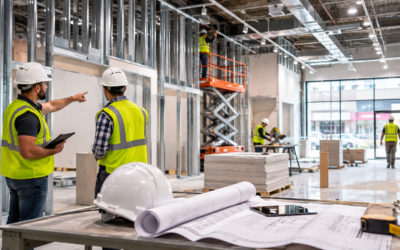
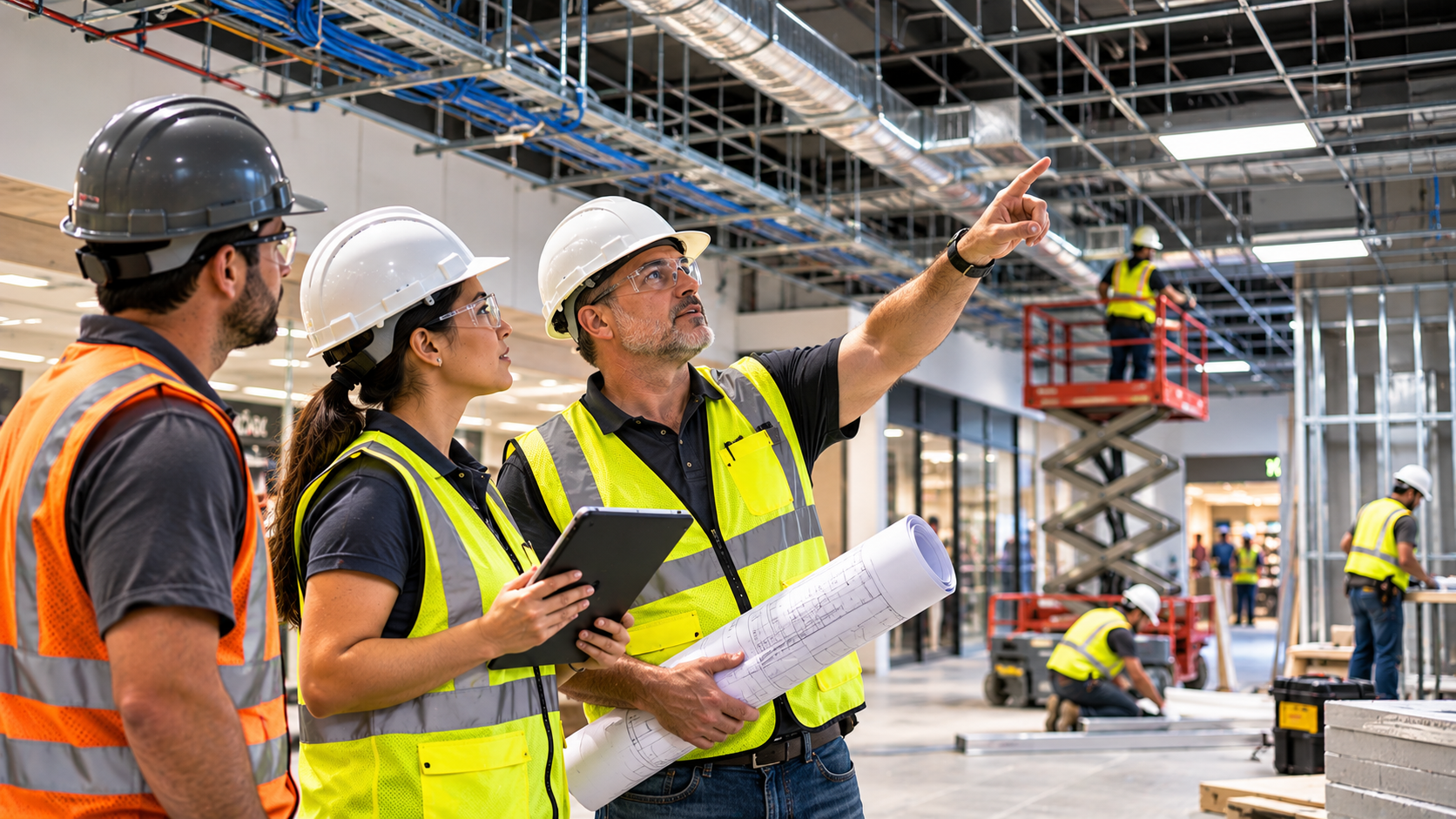
Retail construction projects can become significantly more challenging when multiple construction disciplines, specialized installations, and operational requirements must be coordinated within the same facility.
A project that initially appears to involve a straightforward renovation may include structural modifications, electrical upgrades, mechanical systems, plumbing, low-voltage infrastructure, custom millwork, fixture installations, and extensive interior improvements.
Each scope introduces its own technical requirements, scheduling dependencies, materials, and trade coordination needs.
When these activities are not properly aligned, problems can develop quickly. Incomplete information, conflicting installations, material delays, and unexpected site conditions can affect project costs, schedules, and overall execution.
For retailers managing complex renovations, build-outs, or multi-location programs, the ability to coordinate these requirements is essential.
Handling high-complexity retail construction scopes requires a disciplined approach that connects preconstruction planning, technical coordination, resource management, and field execution.
The objective is to manage every component as part of one coordinated construction effort rather than treating each trade as an isolated activity.
What Makes a Retail Construction Scope High-Complexity?
A high-complexity retail construction scope involves multiple interconnected activities that require additional planning, specialized expertise, or coordination beyond a typical renovation.
The complexity may come from the number of trades involved, the condition of the existing facility, the technical requirements of the installation, or the operational constraints surrounding the project.
Common examples include:
-
Extensive interior renovations
-
Structural modifications
-
Electrical distribution upgrades
-
Mechanical and HVAC modifications
-
Plumbing system changes
-
Fire protection and life safety coordination
-
Network infrastructure and low-voltage installations
-
Custom fixture and millwork packages
-
Specialized equipment installations
-
Store layout reconfigurations
-
Construction within occupied facilities
-
Multi-phase or multi-location construction programs
In many cases, these scopes overlap.
For example, a store renovation may require new checkout counters, revised electrical connections, additional data infrastructure, ceiling modifications, and updated lighting.
Each activity must be coordinated with the others to ensure that installations are compatible, work areas are ready, and construction proceeds in the correct sequence.
1. Identify the Full Scope Before Construction Begins
The first step in managing a complex construction project is developing a clear understanding of everything the project requires.
Incomplete scope definition is one of the most common sources of construction delays and unexpected costs.
A project team should evaluate the entire facility and identify the work required across all construction disciplines.
This includes reviewing:
-
Architectural drawings and specifications
-
Existing building conditions
-
Structural requirements
-
Electrical and mechanical systems
-
Plumbing infrastructure
-
Fire protection requirements
-
Fixture and millwork packages
-
Technology and low-voltage requirements
-
Landlord and tenant responsibilities
-
Permitting and inspection requirements
-
Material and equipment specifications
The team should also distinguish between the work included in the general contractor’s scope and activities assigned to the owner, landlord, specialty contractors, or separate vendors.
A detailed scope review helps establish responsibilities and identify potential gaps before construction begins.
For projects involving unusual building conditions or specialized requirements, see Managing Non-Standard Retail Construction Projects.
2. Conduct Thorough Existing-Condition Assessments
Complex construction projects frequently involve existing commercial buildings with infrastructure that may not fully match available drawings or documentation.
Electrical panels may have limited capacity. Existing mechanical systems may require modifications. Concealed conditions may differ from what was anticipated during initial planning.
These uncertainties can affect both design decisions and construction sequencing.
Before mobilization, the project team should evaluate critical existing conditions.
Depending on the project, this may include:
-
Verifying field dimensions
-
Reviewing existing electrical capacity
-
Identifying utility locations
-
Inspecting visible structural conditions
-
Evaluating mechanical equipment
-
Reviewing plumbing connections
-
Identifying existing cabling and network infrastructure
-
Assessing ceiling and wall conditions
-
Confirming equipment access and clearances
-
Identifying potential hazardous conditions
Site assessments should also identify access restrictions, material staging limitations, and operational constraints.
The objective is to identify conditions that could affect construction before crews and materials are committed to the site.
3. Coordinate Multiple Trades and Construction Disciplines
One of the biggest challenges in high-complexity retail construction is managing the relationships between different trades.
Individual contractors may complete their assigned work correctly, but conflicts can still occur when their activities are not coordinated.
For example:
-
Electrical installations may conflict with mechanical equipment locations.
-
Low-voltage cabling may require pathways that are not included in the original coordination.
-
Ceiling installations may need to wait for overhead systems.
-
Fixture dimensions may affect electrical and data connection locations.
-
Flooring installation may depend on completed underground or in-slab work.
-
Millwork installation may require finished walls and verified dimensions.
These dependencies must be identified before they create field conflicts.
A coordinated construction plan should establish:
1. Which trades are required.
2. What each trade is responsible for.
3. Which activities must be completed first.
4. Where multiple trades can work simultaneously.
5. What inspections or approvals are required.
6. When each work area becomes available.
7. How completed work will be verified before the next trade proceeds.
Regular coordination meetings and updated construction schedules help keep these activities aligned.
For additional guidance, see Coordinating Electrical and Low-Voltage Work in Remodels.
4. Address Electrical and Infrastructure Requirements Early
Electrical and technology requirements can represent a significant portion of complex retail construction scopes.
Modern retail environments rely on interconnected systems that support lighting, equipment, checkout operations, communications, security, and network connectivity.
Depending on the facility, electrical and infrastructure work may involve:
-
Electrical distribution and panel modifications
-
Dedicated equipment circuits
-
Interior and exterior lighting
-
Emergency and exit lighting
-
Power connections for fixtures
-
Point-of-sale infrastructure
-
Network cabling
-
Wireless access points
-
CCTV systems
-
Digital menu boards
-
Communications infrastructure
These requirements should be coordinated with architectural layouts, equipment schedules, and fixture specifications.
Late changes to electrical or data locations can create installation conflicts and rework, particularly when walls, ceilings, flooring, or millwork have already been completed.
The project team should confirm equipment requirements, connection locations, and infrastructure pathways during preconstruction.
Related resources include:
5. Establish a Detailed Construction Sequence
A high-complexity project requires a schedule that accounts for more than individual trade durations.
The sequence must reflect the dependencies between construction activities, material availability, inspections, and site conditions.
A typical construction sequence may include:
1. Existing-condition assessment and scope confirmation
2. Design coordination and approvals
3. Permitting and procurement
4. Site preparation and demolition
5. Structural modifications and framing
6. Electrical, mechanical, and plumbing rough-in
7. Fire protection and low-voltage coordination
8. Inspections and required approvals
9. Drywall, ceilings, and interior finishes
10. Flooring and fixture installation
11. Equipment and technology deployment
12. Testing, commissioning, and final inspections
13. Punch list and deficiency resolution
14. Final cleaning and project closeout
The actual sequence will vary based on the project scope and applicable requirements.
Some activities can overlap, but only when the work is properly coordinated and preceding requirements have been satisfied.
Project managers should identify critical-path activities and monitor milestones that directly affect overall completion.
For related guidance, see Planning for Compressed Construction Schedules.
6. Manage Procurement and Specialized Materials
Complex construction scopes often involve materials and equipment that require longer procurement periods or specialized fabrication.
These may include:
-
Custom millwork
-
Retail fixtures
-
Electrical distribution equipment
-
Lighting packages
-
Mechanical equipment
-
Specialty flooring
-
Glass and storefront components
-
Technology hardware
-
Custom signage
-
Store-specific equipment
A construction schedule can quickly become compromised when required materials are not available at the time of installation.
The project team should identify long-lead items during preconstruction and establish a procurement schedule that aligns with construction milestones.
Important procurement controls include:
-
Confirming approved specifications
-
Verifying quantities and dimensions
-
Tracking purchase orders
-
Monitoring manufacturing status
-
Confirming delivery dates
-
Coordinating receiving and storage
-
Inspecting delivered materials
-
Identifying potential substitutions early
Custom fixtures and millwork deserve particular attention because fabrication dimensions and site conditions must align.
For additional information, see Fixture and Millwork Installation Best Practices.
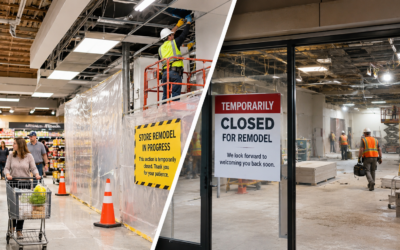
7. Coordinate Construction Within Active Retail Environments
Some complex retail projects must be completed while the store remains operational.
This adds another layer of coordination because construction activities must account for customers, employees, merchandise, deliveries, and normal business operations.
The project team may need to establish:
-
Defined construction zones
-
Temporary barriers and protective enclosures
-
Controlled access points
-
Safe customer pathways
-
Material delivery windows
-
Dust and debris containment
-
Temporary utility arrangements
-
After-hours work schedules
-
Daily cleanup procedures
-
Emergency access routes
Certain activities may need to be performed during approved non-operating hours.
Others may require temporary closures of specific departments or sections.
If the project cannot be safely separated from normal store operations, a broader closure or revised construction approach may be necessary.
The selected strategy should be based on the scope, safety requirements, and operational priorities.
Related articles:
8. Establish Centralized Project Oversight
As project complexity increases, communication and accountability become more important.
Multiple subcontractors, suppliers, inspectors, and client representatives may be involved in decisions that affect construction progress.
Without centralized oversight, information can become fragmented and issues may not reach the appropriate decision-makers quickly enough.
A centralized project management structure should provide:
-
Clear project responsibilities
-
Defined communication channels
-
Regular schedule updates
-
Documented decisions
-
Issue tracking and escalation
-
Change management procedures
-
Trade coordination
-
Budget monitoring
-
Quality verification
-
Closeout reporting
Project managers should maintain visibility across all active scopes rather than relying on isolated updates from individual trades.
This makes it easier to identify dependencies, resolve conflicts, and coordinate adjustments when project conditions change.
For additional insight, see Nationwide Construction Program Management.
9. Manage Scope Changes Without Losing Control
Changes are common in complex retail construction.
An existing condition may require a design adjustment. A client may request a revised layout. Equipment specifications may change after procurement has started.
Although some changes are unavoidable, uncontrolled revisions can create significant problems.
A formal change management process should document:
-
Description of the requested change
-
Reason for the revision
-
Affected construction activities
-
Material and labor implications
-
Cost impact
-
Schedule impact
-
Required approvals
-
Updated drawings or specifications
Changes should be reviewed before implementation whenever practical.
This helps ensure that project stakeholders understand the consequences of a decision before it affects downstream work.
Project teams should also maintain current documentation so field personnel are working from approved information.
10. Maintain Quality Control Across Every Scope
The more construction disciplines involved, the greater the need for consistent quality verification.
A completed installation should not be evaluated only by whether the individual trade has finished its assigned work.
It must also be checked against the overall project requirements and its relationship with other systems and installations.
Quality control procedures may include:
-
Material inspections
-
Installation verification
-
Dimensional checks
-
Equipment testing
-
System coordination reviews
-
Required inspections
-
Progress documentation
-
Deficiency tracking
-
Final walkthroughs
-
Owner acceptance
Inspections should occur throughout construction rather than being postponed until the end.
For example, verifying electrical and data locations before fixture installation can prevent costly adjustments after millwork has been completed.
Similarly, reviewing overhead installations before closing ceilings can help identify problems while access remains available.
Standardized quality expectations also help maintain consistency when multiple crews or locations are involved.
See Standardization vs. Flexibility in Multi-Site Programs.
11. Prepare for Testing, Commissioning, and Closeout
Complex construction projects often include systems that must be tested, inspected, or commissioned before the facility can be turned over.
Construction completion does not automatically mean the space is ready for operation.
Depending on the project, final activities may include:
-
Electrical testing
-
Lighting verification
-
Mechanical system testing
-
Plumbing verification
-
Fire and life safety inspections
-
Network connectivity testing
-
CCTV system verification
-
Equipment testing
-
Fixture and millwork inspection
-
Required approvals
-
Deficiency resolution
-
Final cleaning
-
Owner training and turnover documentation
These activities should be included in the original project schedule.
Waiting until the final days to coordinate testing and inspections can create avoidable delays.
The project team should identify required approvals and closeout documents early, assign responsibility, and monitor completion throughout the project.
Common Challenges in High-Complexity Retail Construction
Even with detailed planning, complex construction projects can encounter unexpected issues.
The difference often comes down to how effectively the project team anticipates and responds to them.
Incomplete or Conflicting Scope Information
Missing specifications, outdated drawings, or unclear responsibilities can create confusion in the field.
How to address it: Conduct detailed scope reviews, verify existing conditions, and establish clear responsibility assignments before mobilization.
Trade Coordination Conflicts
Different contractors may need the same work area or depend on incomplete preceding activities.
How to address it: Establish coordinated work sequences, defined access arrangements, and regular trade coordination meetings.
Unexpected Existing Conditions
Concealed infrastructure, outdated systems, or inaccurate building information can affect the planned scope.
How to address it: Perform thorough site assessments and establish a documented process for evaluating unforeseen conditions.
Material and Equipment Delays
Specialized materials may not arrive according to the original schedule.
How to address it: Identify long-lead items early, monitor procurement status, and evaluate acceptable alternatives before delays affect installation.
Late Design Changes
Revisions made after construction or procurement begins can introduce rework and additional costs.
How to address it: Establish formal change control and evaluate cost, schedule, and technical impacts before approving revisions.
Insufficient Field Supervision
Multiple crews working across different scopes may produce inconsistent results without adequate oversight.
How to address it: Assign appropriate field supervision and maintain consistent reporting and inspection procedures.
Delayed Inspections and Approvals
Incomplete work or documentation can prevent required inspections from proceeding.
How to address it: Identify inspection requirements during preconstruction and coordinate readiness with the appropriate authorities.
How to Measure Performance on Complex Construction Projects
Project performance should be evaluated across several areas rather than relying solely on completion dates.
| Performance Indicator | What It Measures |
| Schedule adherence | Progress against approved project milestones |
| Budget performance | Actual costs compared with the approved budget |
| Scope completion | Completion of required construction activities |
| Trade coordination | Effectiveness of sequencing and coordination between trades |
| Procurement readiness | Availability of materials and equipment when needed |
| First-pass quality | Work accepted without corrective action |
| Rework frequency | Additional work required to resolve deficiencies |
| Change-order frequency | Volume of approved scope revisions |
| Safety performance | Compliance with project safety requirements |
| Inspection readiness | Completion of required work before inspections |
| Closeout completion | Timely delivery of documentation and final acceptance |
Tracking these indicators helps project teams identify recurring issues and improve execution on future projects.
What to Look for in a General Contractor for High-Complexity Retail Construction
Selecting a qualified general contractor is especially important when a project involves multiple technical scopes and demanding coordination requirements.
Retailers should evaluate whether the contractor has the experience, resources, and management structure to oversee the complete project.
Important considerations include:
Preconstruction capabilities: Can the contractor review drawings, assess existing conditions, identify scope gaps, and anticipate construction challenges?
Multi-trade coordination: Does the team have experience managing interconnected construction activities and specialty contractors?
Technical understanding: Can the contractor coordinate electrical, mechanical, plumbing, low-voltage, fixture, and other project requirements?
Procurement management: Does the contractor have a process for tracking materials, equipment, and long-lead items?
Project management structure: Are responsibilities, communication procedures, reporting, and escalation processes clearly defined?
Field supervision: Can the contractor maintain appropriate oversight across multiple work areas or locations?
Quality and safety procedures: Are inspections, safety controls, and deficiency management integrated into field execution?
Geographic capabilities: For multi-state programs, can the contractor manage applicable licensing requirements and coordinate qualified local trade partners?
The right contractor should be able to explain how these capabilities work together throughout the project lifecycle.
For more information, see Nationwide General Contractor Guide.
Managing High-Complexity Scopes Across Multiple Locations
The challenges of complex construction become even more demanding when similar work must be completed across several locations.
A retailer may need to implement new store layouts, upgrade electrical infrastructure, replace fixtures, or complete extensive renovations across multiple markets.
Each location may have different existing conditions, permitting requirements, access limitations, and trade partner availability.
A coordinated multi-site strategy should establish common project standards while allowing site-specific adjustments.
Key considerations include:
-
Standardized scope documentation
-
Consistent construction specifications
-
Site-specific assessments
-
Regional trade partner coordination
-
Centralized procurement tracking
-
Coordinated construction schedules
-
Standardized quality inspections
-
Consistent progress reporting
-
Documented change management
-
Centralized program oversight
This approach helps connect individual projects to the retailer’s broader construction objectives.
For additional guidance, see:
How Prime Retail Services Supports Complex Retail Construction Scopes
Prime Retail Services is a nationwide commercial general contractor supporting construction, renovation, and multi-location programs across retail and other commercial environments.
Complex construction requires a coordinated approach to planning, trade management, procurement, scheduling, and field execution.
Our approach emphasizes connecting individual construction scopes with the broader project requirements to maintain alignment throughout execution.
Our capabilities include:
-
Remodels and Renovations: Coordinated construction activities within existing commercial facilities.
-
Build-Outs and Store Refreshes: Execution of commercial improvements, interior modifications, and new space development.
-
Special Project Rollouts: Coordinated execution for time-sensitive construction requirements.
-
Multi-Site FF&E Programs: Management of fixture, furniture, and equipment installations across multiple locations.
-
Electrical Coordination: Additional project capabilities through Prime Power Solutions.
-
Technology Deployment: Technology installation and infrastructure support through Prime-Net.
Through our proprietary 3P Process, Perfect, Project, Process, we emphasize execution quality, project coordination, and repeatable procedures that support consistent project delivery.
With general contracting licenses in 49 states, excluding Hawaii, Prime Retail Services supports commercial construction requirements across a broad geographic footprint.
Our focus is to help clients coordinate complex project requirements, manage field execution, and maintain visibility throughout construction.
Frequently Asked Questions
What is considered a high-complexity retail construction project?
A high-complexity project typically involves multiple interconnected construction scopes, specialized systems, extensive trade coordination, unusual site conditions, or significant operational constraints.
What causes complexity in retail construction?
Common factors include multiple trades, existing building conditions, technical infrastructure requirements, custom fixtures, extensive renovations, permitting requirements, and construction within active facilities.
Why is preconstruction important for complex retail projects?
Preconstruction helps identify scope gaps, verify existing conditions, coordinate technical requirements, establish responsibilities, and anticipate potential schedule and cost risks before field execution begins.
How do general contractors coordinate multiple trades?
General contractors use coordinated schedules, defined scopes of work, trade meetings, site supervision, documentation, and quality inspections to align construction activities.
How can construction teams prevent trade conflicts?
They can identify installation dependencies early, establish work sequences, coordinate shared work areas, verify preceding activities, and maintain regular communication between trades.
How do unexpected site conditions affect complex construction?
Unexpected conditions may require additional work, revised designs, procurement changes, or schedule adjustments. Early site assessments and a formal issue-resolution process help reduce their impact.
Can complex retail construction be completed while a store remains open?
Yes, when the scope can be safely separated from customer and employee activities. However, extensive or disruptive work may require phased construction, restricted operating hours, or a temporary full closure.
How can retailers maintain quality across multiple construction scopes?
Consistent specifications, clear installation requirements, field supervision, documented inspections, and timely deficiency resolution help maintain quality across trades and locations.
What should retailers look for in a general contractor for complex projects?
Important qualifications include relevant construction experience, preconstruction capabilities, multi-trade coordination, procurement management, project oversight, safety procedures, and quality control.
How can complex construction projects stay on schedule?
Detailed planning, early procurement, realistic sequencing, qualified trade partners, timely decisions, and centralized project management help reduce avoidable delays.
Final Thoughts
High-complexity retail construction requires more than managing individual trades or completing a list of construction activities.
It requires understanding how each scope affects the others and coordinating those relationships throughout the project.
From existing-condition assessments and technical planning to procurement, field supervision, inspections, and closeout, every stage must contribute to the same execution strategy.
When project requirements are clearly defined and construction activities are properly coordinated, retailers can reduce avoidable conflicts, improve visibility, and maintain greater control over project outcomes.
The objective is to deliver a completed facility that meets the required specifications, supports business operations, and performs as intended.
Planning a complex retail construction project?
Contact Prime Retail Services at info@primeretailservices.com to discuss your next commercial construction project.