Retail construction projects are often associated with store build-outs, remodels, and new location openings. However, many retailers face construction needs that fall outside traditional project categories.
These projects may involve unique site conditions, specialized installations, operational constraints, or one-time initiatives that require customized planning and execution. Often referred to as retail special projects, these non-standard construction efforts can be among the most challenging projects organizations undertake.
Unlike repeatable rollout programs, non-standard projects rarely follow a predictable template. Success depends on flexibility, detailed planning, strong project management, and the ability to coordinate multiple stakeholders while adapting to unique project requirements.
This article explores what non-standard retail construction projects are, the challenges they present, and how businesses can successfully manage them.
Key Takeaways
• Non-standard retail construction projects often involve unique scopes, conditions, or operational requirements
• Special projects require customized planning and execution strategies
• Strong project management helps reduce risk and improve coordination
• Retailers must balance construction activities with operational priorities
• Flexible contractor resources are often critical for project success
• Nationwide contractors help deliver consistency even on highly customized projects
What Are Non-Standard Retail Construction Projects?
Non-standard retail construction projects are initiatives that fall outside routine store build-outs, remodels, or rollout programs.
These projects often require customized solutions because they involve unusual conditions, specialized requirements, or unique business objectives.
Examples may include:
• Flagship store renovations
• Pop-up retail environments
• Store-within-a-store concepts
• Distribution of specialty fixtures across locations
• Emergency repairs and recovery projects
• Infrastructure upgrades in active stores
• Brand conversion initiatives
• Technology deployment programs
• Large-scale merchandising resets
• Unique customer experience installations
Unlike traditional construction programs, these projects often require tailored project plans rather than standardized execution models.
Why Special Projects Are More Challenging
Most retail construction programs benefit from repeatable processes.
Special projects often do not.
Each project may introduce:
• Different operational requirements
• Unique site conditions
• Specialized vendors
• Non-traditional schedules
• Limited planning timelines
• Custom installations
As a result, project teams must frequently adapt their approach throughout the project lifecycle.
The lack of standardization often increases planning complexity and project risk.
Common Types of Non-Standard Retail Construction Projects
Flagship Store Transformations
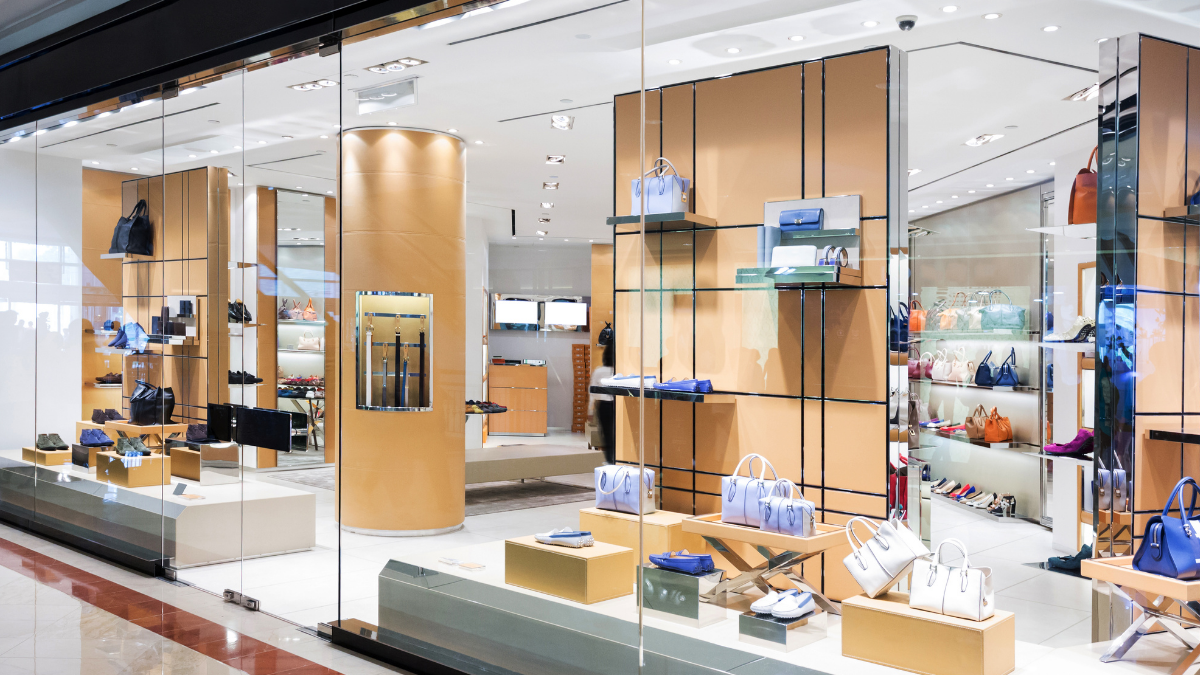
Flagship locations often receive unique design treatments that differ from standard store prototypes.
These projects may involve:
• Premium finishes
• Custom millwork
• Specialized lighting systems
• Experiential customer spaces
• Architectural enhancements
Because flagship stores often serve as brand showcases, quality expectations are typically higher than standard retail projects.
Brand Conversion Programs
Retailers undergoing mergers, acquisitions, or rebranding initiatives often need to convert existing stores to new brand standards.
These projects may require:
• Signage replacement
• Interior redesigns
• Fixture modifications
• Technology updates
• Exterior improvements
Many conversions must occur within aggressive timelines while minimizing operational disruption.
Open-Store Infrastructure Upgrades
Some retailers must upgrade systems without closing stores.
Examples include:
• Electrical improvements
• Lighting retrofits
• Network infrastructure upgrades
• Security system installations
• HVAC replacements
These projects require careful coordination to avoid disrupting customers and employees.
Businesses planning operationally sensitive work may benefit from understanding best practices discussed in retail construction in open stores.
Emergency Response and Recovery Projects
Unexpected events can create urgent construction needs.
Examples include:
• Storm damage repairs
• Water intrusion recovery
• Fire damage restoration
• Structural repairs
• Emergency facility stabilization
Unlike planned projects, emergency work often requires rapid mobilization and accelerated decision-making.
Specialty Rollout Initiatives
Some programs involve deploying specific upgrades across multiple locations.
Examples include:
• Fixture replacement programs
• Digital signage installations
• Technology deployments
• Checkout modernization initiatives
• Sustainability upgrades
Although these projects may occur across multiple locations, they often require specialized planning that differs from traditional remodel programs.
Retailers coordinating large-scale deployments may also benefit from strategies used in multi-site retail rollout programs.
Key Challenges in Non-Standard Retail Construction Projects
Challenge 1: Undefined Project Scope
Special projects often begin with less clearly defined requirements than traditional construction programs.
This can create uncertainty involving:
• Budget development
• Scheduling forecasts
• Resource planning
• Vendor coordination
How to Avoid It
Invest additional time in pre-construction planning and scope development before field work begins.
Challenge 2: Unique Site Conditions
Because special projects are often customized, site conditions may vary significantly.
Examples include:
• Aging infrastructure
• Space constraints
• Operational limitations
• Existing building challenges
How to Avoid It
Conduct thorough site assessments and document existing conditions early in the planning process.
Challenge 3: Compressed Timelines
Many special projects are tied to:
• Marketing campaigns
• Brand launches
• Corporate initiatives
• Seasonal deadlines
As a result, timelines are frequently compressed.
How to Avoid It
Develop detailed milestone schedules and identify long-lead procurement items early.
Strong project management becomes especially important in these situations.
As discussed in our article about why project management matters in retail construction, structured oversight helps maintain alignment between schedules, budgets, and execution.
Challenge 4: Multiple Stakeholder Groups
Special projects often involve more stakeholders than traditional construction programs.
Participants may include:
• Corporate leadership
• Marketing teams
• Store operations teams
• Facilities departments
• Designers and architects
• Vendors and manufacturers
Managing communication effectively becomes essential.
How to Avoid It
Establish clear reporting structures, approval processes, and communication schedules from the beginning.
Challenge 5: Maintaining Business Operations
Many special projects must occur while stores remain operational.
This introduces challenges involving:
• Customer safety
• Noise control
• Store access
• Merchandising activities
• Employee workflows
How to Avoid It
Use phased construction strategies, off-hour work schedules, and clearly defined work zones.
Project Management Best Practices for Special Projects
Because non-standard projects vary significantly, project management often becomes the primary driver of success.
Effective project management typically includes:
| Project Management Function |
Benefit |
| Scope development |
Reduces uncertainty |
| Schedule management |
Improves timeline visibility |
| Budget tracking |
Controls project costs |
| Stakeholder communication |
Improves alignment |
| Risk management |
Reduces project disruptions |
| Quality assurance |
Maintains execution standards |
The more unique the project, the more important centralized coordination becomes.
Why Nationwide Contractors Are Valuable for Special Projects
Non-standard projects often require resources that can adapt quickly to changing conditions.
Nationwide contractors provide:
• Centralized project management
• Flexible resource allocation
• Multi-market coordination capabilities
• Consistent reporting systems
• Established subcontractor networks
This flexibility allows businesses to execute unique projects without building entirely new management structures for each initiative.
For organizations managing diverse construction needs, a nationwide contractor can serve as a long-term partner capable of supporting both routine programs and one-of-a-kind projects.
Comparing Standard Projects vs. Special Projects
| Category |
Standard Retail Projects |
Non-Standard Retail Projects |
| Scope |
Repeatable |
Customized |
| Planning Process |
Standardized |
Project-specific |
| Execution Model |
Predictable |
Flexible |
| Scheduling |
Consistent |
Variable |
| Resource Requirements |
Known |
Often unique |
| Stakeholder Involvement |
Typical |
Frequently expanded |
| Risk Profile |
Lower |
Higher |
Understanding these differences helps organizations prepare appropriately for project demands.
Frequently Asked Questions