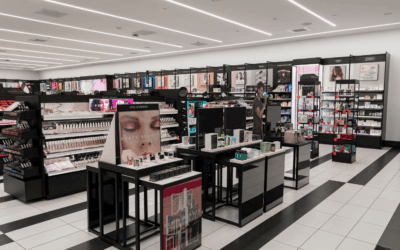
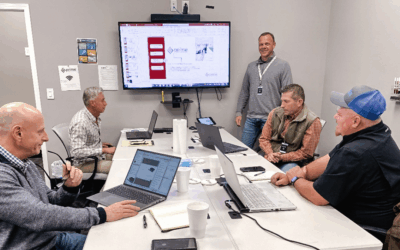
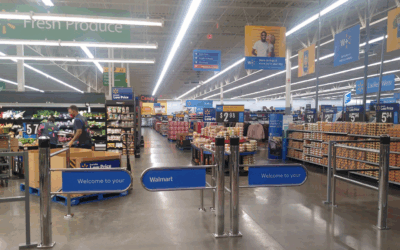
Retail remodel projects help businesses modernize stores, improve customer experience, support new branding initiatives, and adapt to changing operational needs. However, remodels often involve complex coordination that can create significant challenges if not managed properly.
Unlike new construction, retail remodels frequently occur in active environments where businesses must balance construction activities with ongoing customer operations. Tight schedules, phased work, permitting requirements, and trade coordination all add layers of complexity.
For retailers managing multiple locations, these challenges can quickly multiply across markets.
This article explores the most common challenges in retail remodel projects, how businesses can avoid costly disruptions, and why structured project management plays a critical role in successful retail renovation programs.
Key Takeaways
• Retail remodel projects often involve complex coordination in active environments
• Poor scheduling and communication can create operational disruptions
• Open-store remodels require additional safety and customer experience planning
• Multi-site remodel programs benefit from centralized project management
• Early planning helps reduce delays, budget overruns, and construction conflicts
• Experienced nationwide contractors help maintain consistency across locations
What Is a Retail Remodel Project?
A retail remodel project involves updating, renovating, or reconfiguring an existing retail environment to improve functionality, branding, customer experience, or operational efficiency.
Retail remodels may include:
• Store refreshes and cosmetic upgrades
• Fixture and merchandising updates
• Flooring and finish replacements
• Electrical and lighting upgrades
• Layout reconfigurations
• Open-store renovations
• Multi-location rollout remodels
Many businesses combine remodel programs with broader expansion or rebranding initiatives.
Companies planning phased upgrades across multiple markets often benefit from understanding the operational structure involved in multi-site retail rollout programs.
Why Retail Remodel Projects Are More Complex Than They Appear
Retail remodels may seem smaller in scope than ground-up construction, but they often involve more operational challenges.
Many remodels must occur while stores remain open and operational. Construction teams may need to work around:
• Customers and employees
• Merchandising schedules
• Delivery operations
• Sales floor access restrictions
• Limited overnight work windows
At the same time, businesses are often trying to maintain consistent customer experiences and minimize revenue disruption.
Without proper planning and coordination, even small remodel projects can affect store operations, schedules, and budgets.
1. Schedule Delays and Timeline Conflicts
One of the most common challenges in retail remodel projects is schedule disruption.
Retail construction schedules are often tied directly to:
• Seasonal sales periods
• Marketing campaigns
• Store reopening dates
• Inventory transitions
• Operational deadlines
Delays in one phase of construction can quickly affect multiple downstream activities.
Common causes of delays include:
• Late material deliveries
• Permit approval delays
• Trade coordination issues
• Incomplete site information
• Scope changes during construction
How to Avoid It
Successful remodel projects require detailed scheduling and proactive coordination.
Businesses should work with contractors that provide:
• Detailed milestone schedules
• Procurement tracking systems
• Trade sequencing plans
• Schedule recovery strategies
• Centralized project reporting
Strong project management helps identify potential issues early before they affect operational timelines.
As discussed in our article about why project management matters in retail construction, structured coordination is critical for maintaining predictable construction outcomes.
2. Construction Disruptions in Open Stores
Many retail remodels occur while stores remain operational.
This creates challenges involving:
• Customer safety
• Noise control
• Dust containment
• Temporary pathway restrictions
• Operational interruptions
Without proper planning, construction activities can negatively impact customer experience and store performance.
How to Avoid It
Open-store remodels require careful phasing and communication.
Contractors should implement:
• Isolated work zones
• Off-hour construction scheduling
• Temporary barriers and signage
• Safety coordination plans
• Cleanliness and dust-control procedures
Retailers should also maintain clear communication with store teams throughout construction.
Businesses planning active-store renovations may benefit from understanding best practices discussed in retail construction in open stores.
3. Budget Overruns and Unexpected Costs
Retail remodel projects can uncover hidden conditions that affect project budgets.
Common issues include:
• Existing infrastructure problems
• Outdated electrical systems
• Structural deficiencies
• Unforeseen code compliance requirements
• Scope changes during demolition
Without strong cost controls, remodel budgets can escalate quickly.
How to Avoid It
Reducing budget risk starts with thorough pre-construction planning.
Businesses should prioritize:
• Detailed site assessments
• Existing condition evaluations
• Accurate scope documentation
• Change order management procedures
• Contingency planning
Experienced contractors also help identify potential risks before construction begins.
For projects involving infrastructure upgrades, understanding the role of electrical systems in retail construction can help businesses better anticipate coordination and compliance challenges.
4. Poor Communication Between Stakeholders
Retail remodel projects involve multiple parties, including:
• Store operations teams
• Corporate leadership
• Architects and designers
• Contractors and subcontractors
• Vendors and suppliers
• Landlords and property managers
Without centralized communication, important information can become fragmented.
This often leads to:
• Scheduling confusion
• Delayed approvals
• Scope misunderstandings
• Inconsistent execution
How to Avoid It
Effective communication systems are essential.
Retailers should work with contractors that provide:
• Centralized reporting
• Dedicated project managers
• Clear escalation procedures
• Regular project updates
• Standardized documentation systems
Strong communication improves visibility and helps prevent coordination gaps throughout the remodel process.
5. Inconsistent Execution Across Multiple Locations
For retailers managing multi-site remodel programs, consistency becomes a major challenge.
Different markets may involve:
• Different subcontractors
• Regional permitting requirements
• Varying site conditions
• Different scheduling constraints
Without standardized processes, execution quality can vary significantly between locations.
How to Avoid It
Businesses should prioritize contractors with nationwide coordination capabilities and experience managing large-scale rollout programs.
This includes:
• Centralized project oversight
• Standardized reporting systems
• Consistent quality control procedures
• Coordinated scheduling processes
• Scalable field management teams
Structured nationwide coordination helps maintain brand consistency across locations.
6. Permitting and Compliance Delays
Retail remodels must comply with local codes, inspections, and permitting requirements.
Even relatively small renovations may require approvals involving:
• Building permits
• Electrical permits
• Fire safety inspections
• ADA compliance reviews
• Municipal approvals
Permit delays can significantly affect construction timelines.
How to Avoid It
Early permitting coordination is critical.
Contractors should manage:
• Permit submissions
• Plan review coordination
• Inspection scheduling
• Compliance documentation
• Regulatory communication
Experienced nationwide contractors often understand how to navigate permitting requirements across multiple jurisdictions more efficiently.
7. Trade Coordination Challenges
Retail remodels involve multiple specialized trades working in tight environments.
These may include:
• Electrical contractors
• Flooring installers
• HVAC technicians
• Millwork teams
• Painters and finish crews
Poor sequencing can create delays, rework, and jobsite congestion.
How to Avoid It
Successful remodel programs rely on detailed coordination between trades.
Project managers should oversee:
• Trade scheduling
• Installation sequencing
• Material coordination
• Field communication
• Site logistics planning
Proper coordination improves efficiency and helps reduce disruptions during active construction.
8. Maintaining Brand Standards During Remodels
Retail remodels often support broader branding or customer experience initiatives.
Inconsistent finishes, layouts, or installation quality can affect brand perception across locations.
How to Avoid It
Contractors should implement structured quality control procedures throughout the project lifecycle.
This includes:
• Standardized installation processes
• Consistent material specifications
• Punch list management
• Final quality inspections
• Coordinated turnover procedures
Retailers managing phased upgrades should also ensure remodel programs align with long-term operational and branding goals.
Businesses coordinating evolving store initiatives may also benefit from understanding how retail special projects support ongoing facility improvements across multiple locations.
Common Mistakes Retailers Make During Remodel Projects
Underestimating Operational Impacts
Construction activities can significantly affect customer experience if not properly planned.
Delaying Pre-Construction Planning
Insufficient planning often creates downstream scheduling and budget problems.
Choosing Contractors Without Retail Experience
Retail remodels involve operational complexities that differ from standard commercial construction.
Focusing Only on Lowest Bid
Low pricing may lead to reduced coordination, communication gaps, or inconsistent execution quality.
Why Project Management Is Critical in Retail Remodel Programs
Many retail remodel challenges stem from poor coordination rather than construction itself.
Strong project management helps retailers:
• Maintain schedule visibility
• Coordinate multiple stakeholders
• Reduce operational disruptions
• Control project costs
• Improve execution consistency
• Support scalable rollout programs
This becomes especially important for nationwide remodel initiatives where multiple projects may occur simultaneously across different markets.
Frequently Asked Questions