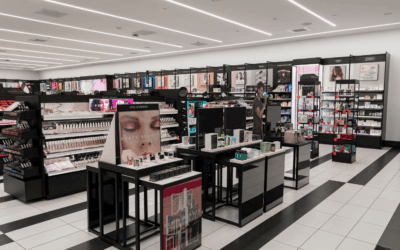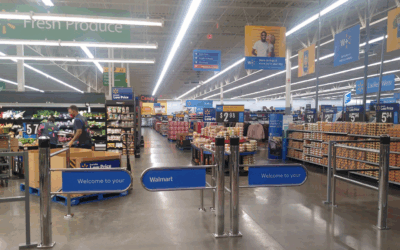
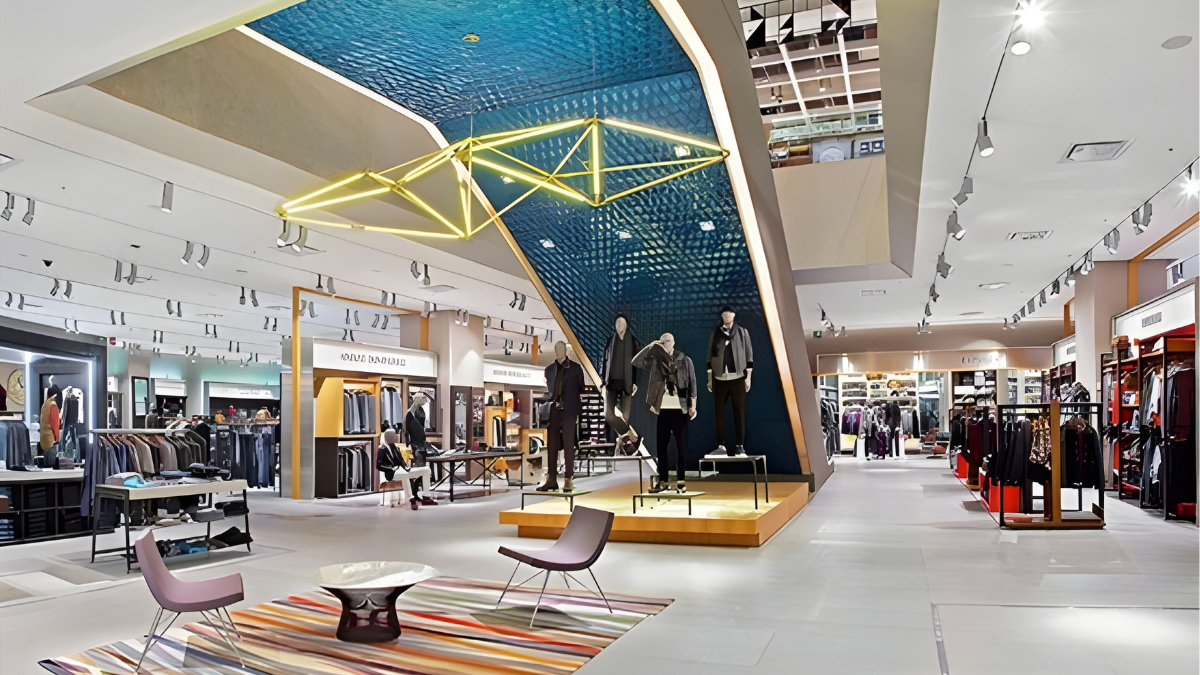
Retail construction does not always fall neatly into categories like ground-up builds, full remodels, or tenant build-outs. In many cases, retailers require targeted scopes of work that are urgent, complex, brand-sensitive, or operationally disruptive. These initiatives are commonly referred to as retail special projects.
For multi-location brands, special projects are not minor tasks. They are strategic investments tied to compliance requirements, revenue growth initiatives, brand refreshes, technology upgrades, and operational improvements.
When executed poorly, these projects create operational disruption and financial risk. When managed correctly, they improve store performance and protect brand standards.
This article explains what qualifies as a retail special project, outlines common examples, and explains how nationwide general contractors like Prime Retail Services structure these programs for reliable execution.
What Is a Retail Special Project?
A retail special project is a targeted construction or infrastructure scope that falls outside standard ground-up construction, full-store remodels, or traditional tenant build-outs.
Special projects typically:
-
Occur within active, open retail stores where construction must proceed without disrupting operations
-
Focus on a defined scope rather than full renovation
-
Support compliance, brand upgrades, technology, or operational improvements
-
Require tight scheduling and minimal disruption
- Are often deployed across multiple locations
Unlike full remodels, special projects are highly focused but still require comprehensive planning, permitting, and trade coordination.
Key Takeaways
• Retail special projects are targeted construction scopes outside full remodels or new store build-outs
• These initiatives often occur in operating stores and require careful coordination
• Common examples include compliance upgrades, fixture rollouts, and technology installations
• Many special projects are executed across multiple locations as part of rollout programs
• Nationwide contractors provide centralized management to maintain consistency across markets
What Qualifies as a Retail Special Project?
Retail special projects can vary widely in size and complexity. The defining factor is not square footage. It is the strategic nature of the scope and the operational sensitivity involved.
Below are the most common categories.
1. ADA and Code Compliance Upgrades
Compliance-related scopes are among the most common retail special projects.
Examples include:
- ADA restroom modifications
- Entry ramp adjustments
- Door hardware replacements
- Handrail installations
- Life safety corrections
- Fire-rated assembly upgrades
These projects are often driven by inspection findings, legal requirements, or landlord directives. They must be executed quickly and correctly to mitigate liability.
2. Fixture Rollouts and Brand Refresh Programs
Retail brands regularly update store environments to stay competitive.
Special project scopes may include:
- Fixture replacements
- Millwork upgrades
- Digital menu board installations
- Signage conversions
- Lighting retrofits
- Interior branding updates
These initiatives are frequently deployed across dozens or hundreds of locations. Consistency, speed, and quality control are critical.
3. Technology and Infrastructure Upgrades
Frequently Asked Questions
What is considered a retail special project?
A retail special project is a targeted construction or infrastructure initiative outside of ground-up construction or full remodels, typically performed within active stores and often rolled out across multiple locations.
How long do retail special projects take?
Timelines vary based on scope. Small compliance upgrades may take a few days per store. Larger fixture or infrastructure rollouts may span several weeks, especially in multi-site programs.
Are special projects capital expenses or maintenance?
Many are capital expenditures tied to brand upgrades, compliance, or infrastructure improvements. However, emergency repairs may fall into operational budgets depending on the accounting structure.
Can special projects be executed nationwide at the same time?
Yes. With proper planning and centralized management, multiple markets can be executed simultaneously while maintaining brand standards and schedule alignment.
Final Thoughts
Retail special projects are not minor construction tasks. They are strategic, deadline-driven initiatives that directly impact compliance, brand perception, operational efficiency, and revenue.
For multi-location retailers, the difference between disruption and success lies in structured execution.
Prime Retail Services specializes in managing retail special projects across active-store environments nationwide, providing the consistency, accountability, and scalability required for complex multi-site programs.
If you are planning a compliance upgrade, fixture rollout, technology deployment, or multi-location special project initiative, contact info@primeretailservices.com to discuss how we can support your program.