Retail spaces must evolve to support changing customer expectations, operational needs, and brand standards. However, not every retail construction project involves the same level of scope, investment, or disruption.
Two of the most common types of retail improvement projects are retail build-outs and store refreshes. While these terms are sometimes used interchangeably, they involve very different construction processes, timelines, and objectives.
Understanding the differences between retail build-outs and store refreshes helps businesses plan projects more effectively, manage budgets appropriately, and select the right construction strategy for their goals.
This article explains how retail build-outs differ from store refreshes, what each project type typically involves, and how retailers can determine which approach best fits their operational and branding needs.
Key Takeaways
• Retail build-outs involve creating or transforming commercial spaces for occupancy
• Store refreshes focus on updating existing environments without major reconstruction
• Build-outs typically require larger budgets, longer schedules, and more coordination
• Store refreshes are often designed to minimize operational disruption
• Both project types require careful planning and project management
• Nationwide contractors help maintain consistency across multi-site retail programs
What Is a Retail Build-Out?
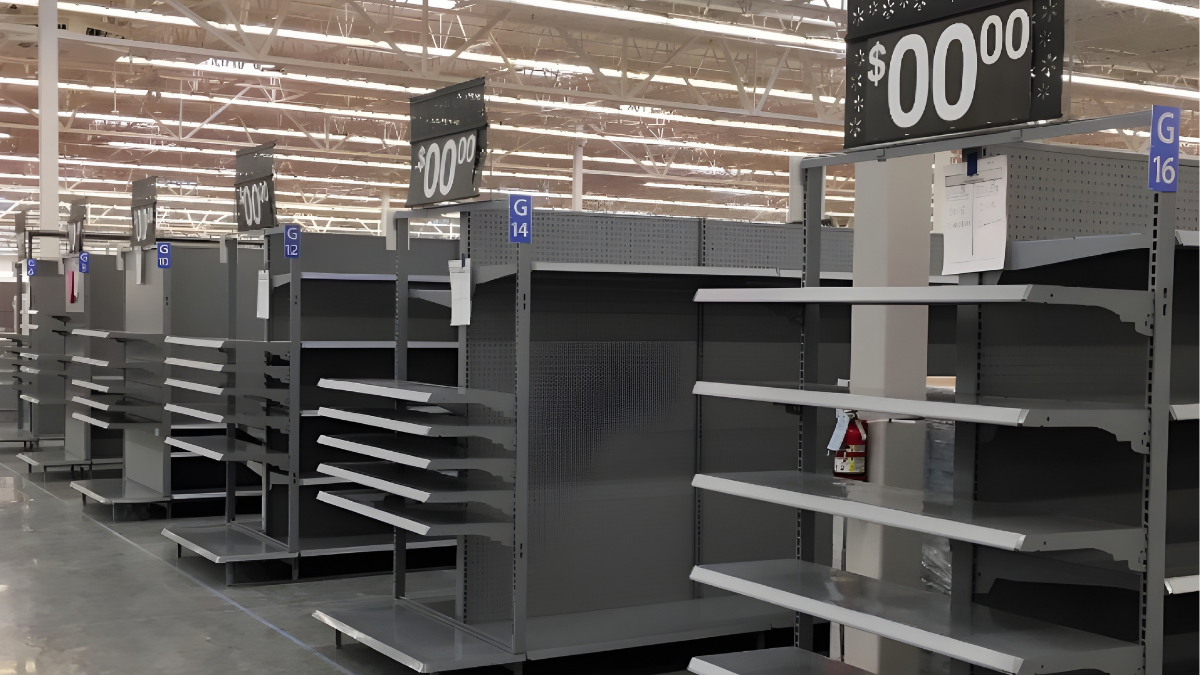
A retail build-out involves preparing or transforming a commercial space into a fully operational retail environment.
Build-outs are often required when:
• A retailer leases a new space
• A vacant shell space must be completed
• An existing space undergoes major reconfiguration
• Infrastructure systems require substantial upgrades
• New layouts and operational workflows are introduced
Retail build-outs commonly include:
• Framing and drywall installation
• Electrical and lighting systems
• HVAC and mechanical work
• Flooring and ceiling installation
• Plumbing upgrades
• Storefront construction
• Fixture installation
• Technology and network infrastructure
Build-outs are generally more construction-intensive and may involve multiple phases of permitting, inspections, and trade coordination.
Retailers planning multi-location expansions often combine build-outs with structured coordination strategies used in multi-site retail rollout programs.
What Is a Store Refresh?
A store refresh focuses on improving the appearance, branding, or customer experience of an existing retail space without major structural or infrastructure modifications.
Store refreshes are typically smaller in scope and faster to complete.
Common store refresh activities include:
• Painting and cosmetic updates
• Fixture replacements
• Merchandising updates
• Flooring replacement
• Lighting fixture upgrades
• Branding and signage updates
• Minor layout adjustments
• Finish and décor improvements
The goal of a refresh is often to modernize the customer experience while minimizing operational downtime and construction disruption.
Many refresh projects occur while stores remain operational.
1. Scope of Construction Work
One of the biggest differences between retail build-outs and store refreshes is the overall scope of construction.
Retail Build-Outs
Build-outs often involve extensive construction activities that transform a space into a fully functioning retail environment.
This may include:
• Structural modifications
• Full infrastructure installation
• Utility coordination
• Comprehensive permitting
• Major trade involvement
Store Refreshes
Refreshes are generally cosmetic or operational updates that improve an existing store without large-scale reconstruction.
These projects usually involve:
• Surface-level improvements
• Fixture and finish updates
• Limited demolition
• Minimal infrastructure changes
Retailers should evaluate how much physical transformation the space requires before selecting the appropriate project type.
2. Project Timelines
Project timelines can vary significantly between build-outs and refreshes.
Retail Build-Out Timelines
Build-outs typically require longer schedules because they involve:
• Design development
• Permitting and approvals
• Infrastructure installation
• Multi-trade coordination
• Inspections and closeout procedures
Depending on project size, timelines may range from several weeks to several months.
Store Refresh Timelines
Store refreshes are usually completed more quickly.
Because they involve fewer infrastructure changes and less permitting, many refreshes can be completed within days or weeks.
For retailers trying to reduce operational disruption, shorter refresh schedules may provide a major advantage.
3. Budget Requirements
Build-outs and refreshes also differ substantially in cost structure.
Retail Build-Out Costs
Build-outs generally require larger budgets due to:
• Extensive labor requirements
• Infrastructure installation
• Permit costs
• Mechanical and electrical upgrades
• Larger material quantities
Store Refresh Costs
Refreshes are typically more budget-friendly because they focus primarily on cosmetic and operational improvements.
However, costs can still increase if hidden infrastructure issues are discovered during construction.
Businesses planning phased improvements across multiple locations should carefully evaluate long-term operational goals before determining project scope.
4. Permitting and Compliance Requirements
Permitting requirements vary depending on the complexity of the project.
Build-Out Permitting
Retail build-outs commonly require:
• Building permits
• Electrical permits
• Mechanical permits
• Plumbing permits
• Fire safety inspections
• ADA compliance reviews
Store Refresh Permitting
Store refreshes may require fewer permits, particularly when work is limited to cosmetic updates.
However, some refresh projects still require approvals if electrical systems, signage, or occupancy-related elements are modified.
Understanding permitting requirements early helps reduce scheduling delays.
5. Operational Disruption
Operational impact is another major distinction between build-outs and refreshes.
Retail Build-Outs
Build-outs often occur in vacant spaces or require substantial closures due to the scale of construction activities.
Store Refreshes
Refreshes are frequently designed around ongoing operations.
This may involve:
• Overnight work
• Phased construction
• Isolated work areas
• Open-store scheduling strategies
Retailers managing active stores should prioritize contractors experienced in minimizing operational disruption.
Businesses planning active-store improvements may also benefit from understanding best practices discussed in retail construction in open stores.
6. Project Management Complexity
While both project types require coordination, build-outs are generally more complex to manage.
Build-Out Project Management
Build-outs often involve:
• Multiple specialized trades
• Extensive scheduling coordination
• Vendor management
• Long procurement timelines
• Larger compliance requirements
Store Refresh Project Management
Refreshes still require structured oversight but may involve fewer stakeholders and shorter coordination timelines.
Strong project management remains critical for both project types.
As discussed in our article about why project management matters in retail construction, coordinated planning helps reduce delays and improve project consistency.
7. Brand and Customer Experience Goals
Both build-outs and refreshes support branding initiatives, but they often serve different business objectives.
Retail Build-Out Goals
Build-outs are commonly used for:
• New store launches
• Market expansion
• Prototype store development
• Full operational redesigns
Store Refresh Goals
Refreshes are typically intended to:
• Modernize store appearance
• Improve customer experience
• Align locations with updated branding
• Extend the lifecycle of existing stores
Retailers should align construction strategy with broader operational and growth objectives.
Common Challenges in Retail Build-Outs and Store Refreshes
Despite their differences, both project types can experience similar construction challenges.
Common issues include:
• Scheduling conflicts
• Material procurement delays
• Budget overruns
• Trade coordination problems
• Communication gaps
• Operational disruptions
Businesses can reduce these risks through early planning, detailed scheduling, and experienced project management.
Retailers evaluating operational risks may also benefit from reading about retail special projects and how phased construction initiatives are managed across multiple locations.
How to Decide Between a Build-Out and a Store Refresh
The right solution depends on several factors, including:
• Budget availability
• Project timelines
• Existing store condition
• Branding goals
• Operational requirements
• Expansion strategies
A build-out may be more appropriate when launching new locations or substantially transforming spaces.
A store refresh may be the better option when businesses want to modernize stores quickly while minimizing operational disruption.
Frequently Asked Questions