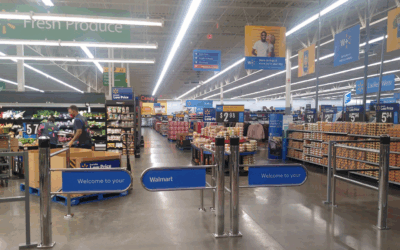
Retail construction projects do not always have the luxury of occurring in vacant spaces. Many retailers must renovate, upgrade, or maintain stores while continuing to serve customers during normal business hours.
To minimize disruptions, many construction activities are scheduled after hours, allowing work to occur when stores are closed and customer traffic is reduced. While after-hours retail construction can help protect daily operations, it introduces a unique set of planning, scheduling, and execution challenges.
Success requires more than simply shifting construction work to evenings or overnight hours. Contractors must coordinate labor, materials, safety procedures, and operational requirements within compressed work windows while maintaining project schedules and quality standards.
This article explores best practices for after-hours retail construction and how retailers can successfully complete projects while minimizing impacts on customers, employees, and business operations.
Key Takeaways
• After-hours retail construction helps reduce disruptions to daily business operations
• Overnight work requires detailed planning and coordination
• Safety, scheduling, and site logistics become even more critical during after-hours projects
• Clear communication between construction teams and store personnel is essential
• Strong project management helps maximize limited work windows
• Experienced contractors can help retailers maintain operations while completing construction efficiently
What Is After-Hours Retail Construction?
After-hours retail construction refers to construction activities performed outside normal operating hours, typically during evenings, overnight periods, or early morning hours.
Retailers often use after-hours construction for:
• Store remodels
• Fixture installations
• Flooring replacements
• Electrical upgrades
• Technology deployments
• Lighting retrofits
• Brand refresh initiatives
• Maintenance projects
The primary goal is to complete construction work while minimizing impacts on customers and store operations.
In many cases, after-hours construction is a key component of broader open-store renovation strategies.
Why Retailers Choose After-Hours Construction
For many businesses, closing a store for renovations may not be practical.
Operational disruptions can affect:
• Revenue generation
• Customer experience
• Employee productivity
• Brand perception
• Inventory management
After-hours construction allows retailers to continue serving customers during normal business hours while construction progresses during off-hours.
Common Benefits Include:
| Benefit |
Impact |
| Reduced customer disruption |
Improved shopping experience |
| Maintained store operations |
Continued revenue generation |
| Greater project flexibility |
Phased construction opportunities |
| Minimized downtime |
Faster operational recovery |
| Improved customer perception |
Reduced visibility of construction activities |
Challenge 1: Limited Construction Windows
One of the biggest challenges of after-hours construction is the limited amount of time available each day.
In many cases, crews may have only:
• 6 to 10 hours per night
• Restricted access periods
• Tight cleanup requirements before reopening
Every minute becomes valuable.
Best Practice: Develop Detailed Nightly Work Plans
Successful after-hours projects rely on highly detailed scheduling.
Project managers should establish:
• Nightly production goals
• Labor assignments
• Material staging plans
• Cleanup procedures
• Shift turnover processes
Clear expectations help maximize productivity during limited work windows.
As discussed in our article about why project management matters in retail construction, structured coordination plays a critical role in maintaining schedule performance.
Challenge 2: Maintaining Safety in Active Retail Environments
Even when construction occurs after business hours, safety remains a top priority.
Risks may involve:
• Employees arriving before construction concludes
• Overnight deliveries
• Equipment movement
• Temporary hazards left behind after shifts
Best Practice: Implement Strict Safety Protocols
After-hours construction teams should establish:
• Daily safety inspections
• Hazard containment procedures
• Temporary barrier systems
• Equipment storage requirements
• Morning readiness verification checklists
Every work area should be safe and customer-ready before the store reopens.
Challenge 3: Material Handling and Site Logistics
Many retail environments offer limited storage space.
Construction materials may need to be:
• Delivered after hours
• Removed before opening
• Stored off-site
• Moved through restricted pathways
Poor logistics planning can significantly reduce productivity.
Best Practice: Pre-Stage Materials Whenever Possible
Efficient after-hours projects often rely on:
• Advanced material procurement
• Strategic staging locations
• Delivery scheduling coordination
• Inventory tracking systems
The goal is to ensure crews spend more time working and less time moving materials.
Challenge 4: Coordinating Multiple Trades
Retail construction often involves multiple specialized trades working within the same overnight window.
These may include:
• Electricians
• Flooring installers
• Carpenters
• Technology installers
• Painters
• Fixture crews
Poor coordination can create bottlenecks and delays.
Best Practice: Sequence Work Carefully
Project managers should establish clear trade sequencing plans.
| Trade Coordination Element |
Benefit |
| Scheduled work zones |
Reduced congestion |
| Defined installation sequences |
Improved efficiency |
| Daily coordination meetings |
Better communication |
| Scope verification procedures |
Reduced rework |
Proper trade coordination becomes increasingly important in compressed overnight schedules.
Challenge 5: Protecting Customer Experience
Customers may never see overnight construction work, but they often notice its effects.
Examples include:
• Dust accumulation
• Incomplete installations
• Merchandise disruptions
• Temporary closures of departments
Best Practice: Prioritize Store Readiness Every Morning
Construction teams should treat each morning as a project turnover.
Daily readiness procedures should include:
• Cleaning and dust removal
• Safety inspections
• Merchandise protection verification
• Temporary signage placement
• Operational walkthroughs
The goal is for customers to experience minimal evidence of construction activities.
Challenge 6: Communication Between Store Operations and Construction Teams
Communication challenges often increase during after-hours projects because construction teams and store teams may rarely work at the same time.
Without proper coordination, misunderstandings can occur regarding:
• Work areas
• Access requirements
• Inventory movement
• Schedule changes
• Operational priorities
Best Practice: Establish Structured Communication Channels
Successful projects typically include:
• Daily status reports
• Shift handoff procedures
• Store leadership updates
• Escalation processes
• Shared project documentation
Clear communication improves alignment between operations and construction activities.
Challenge 7: Maintaining Schedule Performance
Because work occurs during limited overnight windows, schedule delays can compound quickly.
A single missed shift may affect:
• Trade sequencing
• Material deliveries
• Operational plans
• Overall completion dates
Best Practice: Build Contingencies Into the Schedule
Experienced contractors develop schedules that account for:
• Weather disruptions
• Delivery delays
• Site access restrictions
• Unexpected field conditions
Contingency planning helps protect project timelines when unforeseen challenges arise.
Why After-Hours Construction Requires Specialized Experience
Not all contractors are experienced in after-hours retail environments.
Successful overnight construction requires expertise in:
• Open-store operations
• Accelerated scheduling
• Retail safety procedures
• Customer experience protection
• Overnight logistics management
Retailers should evaluate whether contractors have a proven track record managing projects within active commercial environments.
Businesses considering operationally sensitive projects may also benefit from reading about retail construction in open stores, which often incorporates after-hours construction strategies.
Comparing Daytime and After-Hours Retail Construction
| Category |
Daytime Construction |
After-Hours Construction |
| Customer Impact |
Higher |
Lower |
| Operational Disruption |
Greater |
Reduced |
| Construction Access |
More flexible |
Time restricted |
| Scheduling Complexity |
Moderate |
High |
| Safety Planning Requirements |
Standard |
Enhanced |
| Project Coordination Needs |
High |
Very high |
Both approaches can be effective, but after-hours projects require significantly more coordination.
Common Mistakes Retailers Make During After-Hours Projects
Underestimating Overnight Productivity Challenges
Limited work windows require more planning than standard construction schedules.
Poor Material Staging
Missing materials can significantly reduce overnight productivity.
Inadequate Communication
Store teams and construction teams must remain aligned throughout the project.
Focusing Only on Construction Activities
Successful projects also prioritize store readiness, customer experience, and operational continuity.
Frequently Asked Questions