Successful commercial construction projects depend on more than schedules and budgets. They also depend on reliable execution of critical infrastructure systems that support daily business operations.
Electrical and low-voltage systems play a central role in modern commercial environments. From powering facilities to supporting networking, security, communications, and customer-facing technologies, these systems are essential to operational success.
Traditionally, general contractors often subcontract electrical and low-voltage scopes to third-party providers. While this approach can work, it can also introduce additional coordination challenges, communication gaps, and scheduling risks.
This is why many organizations prefer construction partners that can self-perform electrical and low-voltage work. Self-performing services provide greater control over quality, scheduling, communication, and project execution.
This article explores the benefits of self-performing electrical and low-voltage work and how this approach can improve commercial construction outcomes across single-site and multi-site projects.
Key Takeaways
• Self-performing electrical and low-voltage work improves project coordination and accountability
• Direct control over installation teams can help reduce scheduling conflicts and delays
• Self-performance often improves communication and project visibility
• Quality control becomes more consistent when critical scopes are managed internally
• Multi-site construction programs benefit from standardized installation practices
• Self-performing capabilities can help support faster project execution and operational readiness
What Does Self-Performing Mean in Construction?
Self-performing refers to a contractor directly managing and executing specific scopes of work using internal resources rather than subcontracting those services to outside vendors.
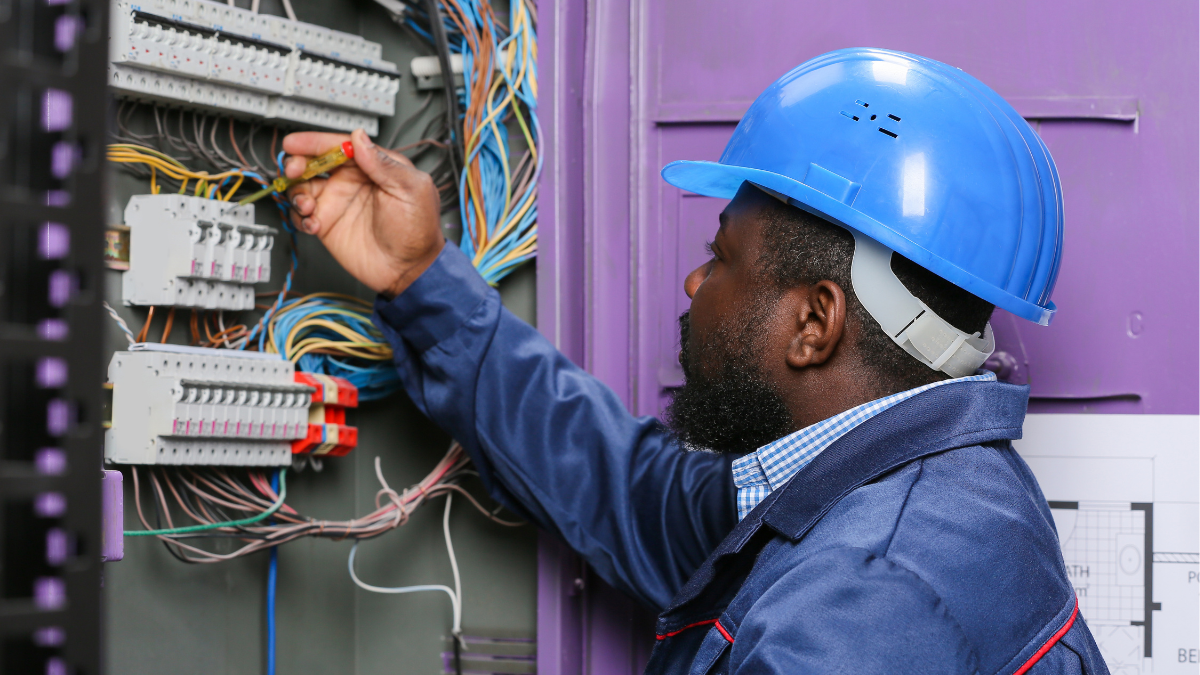
In the context of electrical and low-voltage work, this may include:
• Electrical installations
• Power distribution systems
• Lighting installations
• Structured cabling
• Network infrastructure installation
• Security system installations
• Access control systems
• CCTV infrastructure
• Wireless network deployments
• Point-of-sale infrastructure support
Rather than coordinating multiple outside subcontractors, the contractor manages these services through dedicated internal teams.
Why Electrical and Low-Voltage Systems Are Critical
Modern commercial facilities rely heavily on interconnected infrastructure systems.
Electrical and low-voltage systems support:
| System Type |
Business Function |
| Electrical distribution |
Facility power |
| Lighting systems |
Safety and customer experience |
| Network infrastructure |
Business connectivity |
| Security systems |
Asset protection |
| Access control |
Facility management |
| POS infrastructure |
Transaction processing |
| Wireless networks |
Operational connectivity |
| CCTV systems |
Monitoring and security |
Because these systems often affect multiple phases of construction, coordination becomes especially important.
Businesses evaluating infrastructure requirements may also benefit from understanding the role of electrical systems in retail construction and how they support successful project execution.
1. Improved Project Coordination
One of the biggest advantages of self-performing services is improved coordination.
When electrical and low-voltage work is managed through separate subcontractors, project teams often must coordinate:
• Multiple schedules
• Separate project managers
• Different communication channels
• Independent field teams
This can increase complexity and create opportunities for miscommunication.
How Self-Performance Helps
With self-performing teams:
• Communication becomes more streamlined
• Scheduling decisions can be made faster
• Field coordination improves
• Accountability becomes clearer
This often results in smoother project execution and fewer coordination challenges.
2. Greater Schedule Control
Construction schedules rely heavily on electrical and low-voltage installation activities.
Delays involving these systems can affect:
• Fixture installations
• Technology deployments
• Final inspections
• Store openings
• Operational readiness
When critical scopes are subcontracted, schedule adjustments may require additional coordination and approvals.
How Self-Performance Helps
Internal teams can often respond more quickly to:
• Schedule changes
• Site conditions
• Project acceleration requirements
• Operational constraints
This increased flexibility can help maintain project momentum and reduce delays.
3. Consistent Quality Standards
Quality consistency becomes increasingly important as projects scale across multiple locations.
Subcontractor quality may vary based on:
• Regional markets
• Labor availability
• Individual installation practices
• Different management approaches
How Self-Performance Helps
Self-performing teams typically operate under standardized procedures and expectations.
Benefits include:
• Consistent installation methods
• Standardized documentation
• Unified quality control processes
• Greater accountability for workmanship
This is especially valuable for organizations managing large-scale rollout programs.
4. Faster Issue Resolution
Construction projects rarely proceed without unexpected challenges.
Common issues may include:
• Design conflicts
• Field condition changes
• Material availability concerns
• Scheduling adjustments
When multiple subcontractors are involved, issue resolution can become slower.
How Self-Performance Helps
Direct access to installation teams often allows project managers to:
• Address issues immediately
• Adjust resources quickly
• Coordinate solutions more efficiently
• Reduce downtime caused by communication delays
Faster problem-solving helps maintain schedule performance and project continuity.
5. Enhanced Communication
Communication gaps are one of the most common causes of construction delays.
Projects involving multiple vendors often require:
• Additional meetings
• More documentation reviews
• Increased coordination efforts
How Self-Performance Helps
A centralized management structure typically improves communication between:
• Project managers
• Field teams
• Clients
• Operations personnel
This creates greater visibility and helps ensure all stakeholders remain aligned throughout the project lifecycle.
As discussed in our article about why project management matters in retail construction, strong communication is a key component of successful project delivery.
6. Better Support for Multi-Site Rollout Programs
Retailers and multi-location businesses often deploy electrical and low-voltage upgrades across numerous locations.
Examples include:
• Network infrastructure rollouts
• Security system deployments
• Digital signage programs
• Point-of-sale upgrades
• Wireless network installations
Managing these programs through multiple vendors can create inconsistencies.
How Self-Performance Helps
Self-performing teams support:
| Multi-Site Advantage |
Benefit |
| Standardized installation methods |
Greater consistency |
| Unified reporting systems |
Improved visibility |
| Centralized scheduling |
Better coordination |
| Consistent quality control |
Reduced variability |
| Scalable resource allocation |
Faster deployment |
Organizations managing nationwide initiatives often benefit from the structured coordination used in multi-site retail rollout programs.
7. Improved Accountability
Construction projects often involve determining responsibility when issues arise.
With multiple subcontractors involved, accountability can sometimes become unclear.
How Self-Performance Helps
Self-performing services create clearer ownership of project outcomes.
This provides:
• Direct responsibility for execution
• Reduced finger-pointing between vendors
• Faster corrective action when needed
• Greater confidence in project delivery
A single accountable team often simplifies both project management and client communication.
8. Greater Flexibility During Open-Store Construction
Many commercial projects occur while facilities remain operational.
This is particularly common in:
• Retail stores
• Restaurants
• Healthcare facilities
• Financial institutions
Active environments often require flexible scheduling and rapid adjustments.
How Self-Performance Helps
Internal teams can more easily adapt to:
• After-hours work schedules
• Operational restrictions
• Phased construction requirements
• Customer-facing environments
Businesses planning projects in active facilities may also benefit from reading about retail construction in open stores.
Self-Performing vs. Fully Subcontracted Approaches
| Category |
Self-Performing Services |
Fully Subcontracted Services |
| Communication |
Centralized |
Multiple channels |
| Scheduling Control |
Higher |
More dependent on vendors |
| Quality Consistency |
Greater |
Varies by subcontractor |
| Accountability |
Clearer |
Shared among parties |
| Issue Resolution |
Faster |
Often slower |
| Multi-Site Scalability |
Strong |
More variable |
| Reporting Visibility |
Improved |
Often fragmented |
Both approaches can be successful, but self-performance often provides greater operational control.
Common Applications for Self-Performing Electrical and Low-Voltage Services
Many organizations leverage self-performing capabilities for:
• Retail construction projects
• Store remodels
• New store openings
• Technology deployments
• Security system installations
• Facility upgrades
• Multi-site rollout programs
• Open-store renovations
The ability to directly manage critical infrastructure systems often supports more predictable project outcomes.
Frequently Asked Questions